


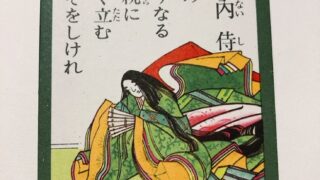




住の江の 岸に寄る波 よるさへや 夢の通ひ路 人目よくらむ
藤原敏行朝臣 (?-901)
百人一首 十八番 恋
「古今和歌集」
かな
すみのえの きしによるなみ よるさへや ゆめのかよひじ ひとめよくらむ
Suminoe no / kishi ni yoru nami / yoru sae ya / yume no kayoiji / hitome yokuran
「よるさへや」は「よるさえや」、「ゆめのかよひじ」は「ゆめのかよいじ」、「ひとめよくらむ」は「ひとめよくらん」と読みます。
言葉の意味
住の江:現在の大阪市の住吉とよばれているところです。現在はだいぶ海から離れていますが、当時は海沿いの地域でした。
Suminoe (住の江): An area currently known as Sumiyoshi in Osaka. Although it is now further inland, it was located right along the coast in ancient times.
岸に寄る波:岸に寄せる波
Kishi ni yoru nami (岸に寄る波): Waves reaching/lapping against the shore.
よるさへや:
「夜でさえ」 even at night
「私のところに寄ってくれることさえ」 just visiting me
「夜」と立ち寄るの「寄る」を重ねています。
A wordplay combining yoru (夜 – night) and yoru (寄る – to stop by / visit).
夢の通ひ路:夢の中の、恋しい人のところへ通う道
Yume no kayoiji (夢の通ひ路): The path in dreams used to travel to one’s lover.
人目よくらむ:人の目をさけているのでしょうか。
Hitome yokuran (人目よくらむ): Are you avoiding the eyes of others?
現代語訳
住之江の岸に寄せる波ではないけれど、どうして夢の中でさえ、あなたは人の目を気にして寄ってくれないのでしょうか。
Unlike the waves that lap against the shore of Suminoe, why is it that even in my dreams, you avoid people’s eyes and refrain from visiting me?
最初の「住の江の岸に寄る波」の部分は、修辞(レトリック)です。歌を美しくしたり、リズムを整えるためのテクニックです。ここでは「岸に寄る波」の「寄る」と、自分のところに「寄る」、「夜」という言葉をかけています。修辞を抜いて訳すと「あなたは人の目を気にして夢の中でさえ来てくれない。どうして」というストレートな不満になります。
The opening phrase “Suminoe no kishi ni yoru nami” serves as a rhetorical device (Kakekotoba / wordplay) to add rhythm and beauty. It plays on the word yoru (waves approaching the shore vs. visiting at night). Stripped of this poetic device, the core message is a direct expression of longing and disappointment: “Why won’t you come see me, even in my dreams, just to avoid public gaze?”
当時の貴族の恋愛は、男性が女性の家に通うものでした。思う人が自分のところに通ってこないと、不安になりますよね。また当時は、相手のことを強く思っていれば夢の中に出てくるとも信じられていたため、夢にも出てこないとなると、さらに不安が増したようです。そのような女性の不安な気持ちを男性の作者が想像して詠んだ歌です。
At the time (the Heian period), court romance involved men traveling to visit women at night. If a man didn’t visit, it naturally caused anxiety. People also believed that if someone thought of you strongly, they would appear in your dreams. Therefore, not even seeing the person in a dream raised deeper worries. Interestingly, this poem was written by a male poet, Fujiwara no Toshiyuki no Ason, imagining a woman’s anxious feelings.
この歌の作者、藤原敏行朝臣 は、書道と歌で高く評価されていた人物です。この歌の他にも以下の歌が有名です。
The author of this poem, Fujiwara no Toshiyuki no Ason was highly praised for both his calligraphy and poetry. Another famous poem of his includes:
「秋来ぬと目にはさやかに見えねども風の音にぞおとろかれぬる」
訳 秋が来たと見た目にはっきりとわからないけど、風の音に秋を感じておどろきました。
Though autumn’s arrival is not yet clearly visible to the eye, I was startled by the sound of the wind softly signaling its onset
毎日暑いなと思っていても、空や虫を見て、いつの間にか秋が来ているのだなと感じることがありますね。今の季節にぴったりな歌です。
Even on days when we think, “It’s still so hot every day,” looking at the sky or listening to the insects often makes us realize that autumn has quietly arrived before we knew it. It is a poem perfectly suited for this season.
文法
~となると、…:「~という状況では、…」という意味で使われます。後ろの部分には意志を表す表現は来ません。
Used to express “in the situation where…” or “when it comes to…”. Sentences following this expression generally do not express personal intention or will.
V(普通形) + となると
い-adj(普通形) + となると
な-adjだ + となると
Nだ + となると
簡単に見えることでも、実際にやるとなると難しいものです。
Even things that look simple can be difficult when it actually comes to doing them.
こんなに暑いとなると、エアコンを買わなければいけないですね。
If it gets this hot, we’ll have to buy an air conditioner.
こんなに急な転勤となると、ご家族も大変でしょう。
Such a sudden transfer must be tough on your family.
夢の中にさえ来てくれないとなると、さらに不安が増したようです。
(当時は相手が強く思ってくれているなら夢で会えると信じられていたため)
When it came to the fact that he wouldn’t even appear in her dreams, her anxiety seemed to grow even further.
(Because at the time, people believed that if someone was thinking of you strongly, you would see them in your dreams.)
今日もここまで読んでくれてありがとうございました。まだまだ暑い日が続きますが、お体に気をつけてお過ごしください。
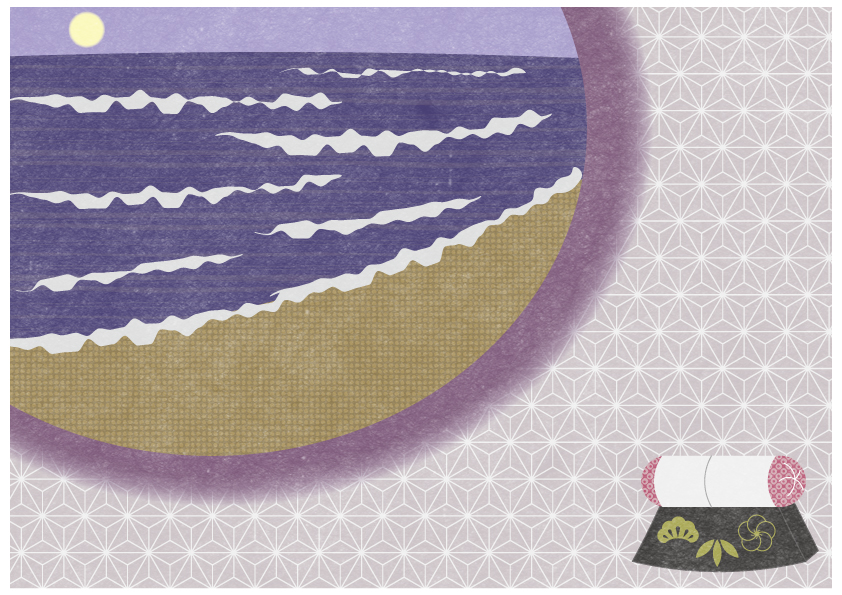
このページのサムネイル画像は、素材サイトのイラストACからダウンロードしたものです。SHIEDAさんという方のイラストを使っています。
The thumbnail image for this page was downloaded from the stock illustration site “Illustrator AC.” I am using an illustration created by a person named SHIEDA.
令和八年八月二十七日