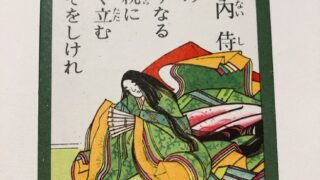


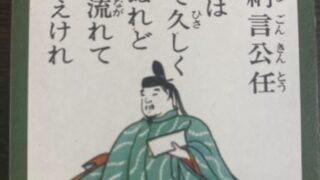





長からむ 心も知らず 黒髪の 乱れて今朝は ものをこそ思へ
待賢門院堀河 (-11**)
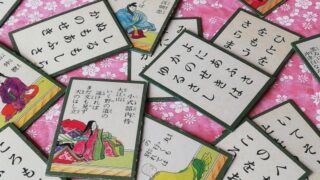
百人一首 八十番 恋
「千載集」
ながからむ こころも しらず くろかみの みだれて けさは ものをこそおもへ
「おもへ」は「おもえ」と読みます。
現代語訳
あなたは私のことを長く愛すると言ってくれたけど、人の気持ちはわからない。あなたの去った今朝、黒髪がみだれるように、心がみだれて、物思いにふけっています。
物思いにふける:静かに深く考えること。ここでは、考え込んで沈んでいるという意味で使っています。
昔の貴族の恋愛や結婚は、夜に男性が女性の家に泊まりに来て、朝に帰って行くというスタイルでした。そのため、朝の物寂しい気持ちを詠んだ歌がたくさん残っています。
きれいに整えられた長い黒髪は美しさの象徴です。思う人が帰った後の心が乱れている状態を、乱れた黒髪に例えて詠んだ歌です。誓いの言葉を聞いても、美しい歌をもらっても、目の前にいない人の心を信じるのは難しい。思い悩むあまり、髪を整える気力もわかない、そんな日も多かったのでしょう。
Pensive: to think deeply and quietly. Here she used the word in the sense of being pensive.
In the old days, aristocratic love affairs and marriages were conducted in such a way that the man would come to stay at the woman’s house at night and leave in the morning. Therefore, there remain many poems about the lonely feeling in the morning.
Long, neatly combed black hair is a symbol of beauty. This poem compares the state of a disordered mind after the person you think of leaves to a mess of black hair. It is difficult to believe in the heart of someone who is not in front of you, even if you hear their vows or receive a beautiful poem. There must have been many days when she was so distressed by her thoughts that she did not even have the energy to fix her hair.
ゴールデンウィーク
日本では、4月29日からゴールデンウィークという長い休みの期間に入っています。この時期は天気も良くて過ごしやすいので、多くの人で観光地がにぎわいます。
私は、近くの禅のお寺に行ってきました。このお寺の敷地には、古墳(昔の大きなお墓)があります。その古墳には穴があり、その中に仏像が彫られています。いつ、だれが彫った仏像なのかは、わかりません。16世紀後半に発見された仏像です。
仏像の前で線香を立て、手を合わせました。この仏像を彫った人は、どんな気持ちで彫ったのだろう。この仏像は何百年もの間、どんな願いを聞いてきたのだろう。線香の火が消えるまで、そんなことを考えているうちに、心がしずまってきたのを感じました。
青い空と初夏の新緑が美しい一日でした。
In Japan, the long holiday period known as Golden Week began on April 29. During this time of the year, the weather is nice and pleasant, so many tourist attractions are crowded with people.
I visited a nearby Zen temple. On the site of this temple is a burial mound (a large tomb from the olden days). There is a hole in the burial mound in which a Buddha image is carved. We do not know when or by whom the Buddha image was carved, but it was discovered in the late 16th century.
I put incense and my hands together in front of the Buddha image. I wonder how the person who carved this Buddha image must have felt. What kind of wishes has this Buddha image heard for hundreds of years? As I thought about these things until the incense was extinguished, I felt my heart begin to calm down.
It was a beautiful day with blue skies and fresh green leaves in early summer.
福岡市 興宗寺 Koshuji in Fukuoka shi
4月の終わりには、藤 (ふじ / wisteria) の花が見られます。


石の階段を上ると、穴があります。穴の奥に仏像が彫られています。


今日もここまで読んでくれてありがとうございました。
令和七年五月五日

