







もう7月になりました。時がたつのが早いですね。
今年の日本は例年よりすずしいのですが、ニュースを聞くとヨーロッパの国は本当に大変そうです。この暑さが和らぐといいですね。他の地域にお住まいの方も、夏は水分や塩分を十分に取ってください。
Already it became July. Time passes fast, doesn’t it?
The weather in Japan this year is cooler than usual years, but when I listen to the news, European countries seem really having a hard time. I hope this heat softens. For people who live in other regions as well, please take enough water and salt in summer.
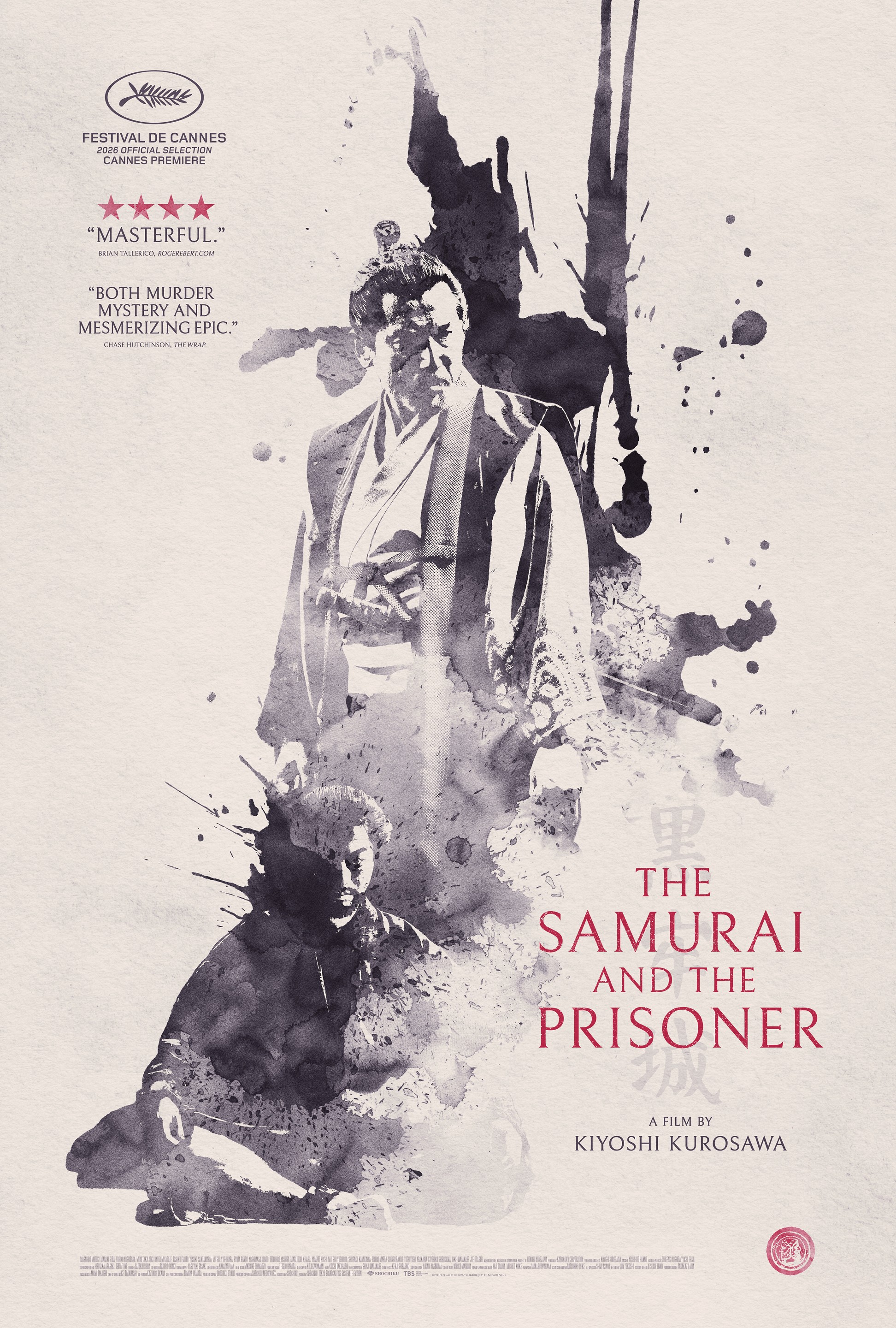
さて、今日の記事は「黒牢城」。現在公開中の映画です。戦国時代の有名な軍師 (Military Strategist) が1年間敵の城に囚われる (imprisoned)という史実をもとにした創作ミステリーです。
この軍師 (Military Strategist) のエピソードは日本の歴史が好きな人には有名ですが、海外の方で知っている人はあまりいないので、この映画が海外でも公開されているとは思っていませんでした。また、映画だけではなく原作もすでに翻訳されていて、私の生徒さんの1人も読んでいるので、「黒牢城」の原作について書いてみようと思いました。
この物語の背景を知らずに読むのは難しいと思うのですが、みなさん「SAMURAI」にひかれるようです。日本の武士の文化はとても独特でおもしろいですね。
Now, today’s article is “The Samurai and The Prisoner (Kurorojyo)”. It is a movie currently in theaters. It is a creative mystery based on the historical fact that a famous military strategist of the Sengoku period was imprisoned in an enemy’s castle for one year.
This strategist’s episode is famous for people who like Japanese history, but there are not many people from overseas who know it, so I did not think this movie was released overseas as well. Also, not only the movie but the original novel is already translated, and one of my students is reading it, so I thought I would write about the original novel of “The Black Castle”.
I think it is difficult to read this story without knowing the background, but everyone seems to be attracted to “SAMURAI”. The culture of Japanese samurai is very unique and interesting, isn’t it?
時代
映画を見る前に時代背景を知っていたほうが楽しめるので、少し説明します。
Before watching the movie, you will find it more interesting if you know the historical background, so I will explain a little.
この時代は戦国時代とよばれ、各地で大名 (Daimyo) が勢力争いを繰り返していました。この争いは1467年から1615年まで、150年ほど続きました。
This era is called the Sengoku period, and Daimyo (lords) repeated struggles for power in various places. This struggle continued for about 150 years, from 1467 to 1615.
その中から、16世紀後半、織田信長という大名 (Daimyo) が勢力を拡大し、天下統一 (conquering the nation) を目指します。戦に初めて大規模に鉄砲を用いたことで有名で、ゲームでも人気がある武将です。しかし、途中、家臣 (vassal)の裏切りにあい、天下統一 の前に亡くなります。
From among them, in the latter half of the 16th century, a Daimyo named Oda Nobunaga expanded his power and aimed for Tenka Toitsu (conquering the nation). He is famous for using guns on a large scale for the first time in battle, and he is a warlord who is popular in games too. However, he met a betrayal from his subordinate on the way, and died before conquering the nation.
織田信長の後を継いだのが豊臣秀吉です。豊臣秀吉により日本は統一されます。
The person who succeeded Oda Nobunaga was Toyotomi Hideyoshi. Japan was unified by Toyotomi Hideyoshi.
豊臣秀吉の死後、豊臣家と徳川家康が争い、徳川家が天下を取ります。
そして1603年、江戸幕府 (Edo Shogunate) を開きます。それから1868年までの256年間、江戸時代とよばれる安定した時代が続きます。歌舞伎や浮世絵などの町人文化が発展したのも江戸時代です。
After Toyotomi Hideyoshi’s death, the Toyotomi family and Tokugawa Ieyasu fought, and the Tokugawa family took the nation. And in 1603, he opened the Edo Bakufu (Edo Shogunate). From then until 1868, for 256 years, a stable era called the Edo period continued. It was also during the Edo period that townspeople’s culture such as Kabuki and Ukiyoe developed.
- 1467年 戦国時代が始まる
- 1543年 鉄砲が日本に伝わる
- 1560年ごろ 織田信長、勢力拡大
- 1582年 織田信長の死後、家臣 (vassal) の豊臣秀吉が信長の後を継ぐ
- 1583年ごろ 豊臣秀吉、天下を統一
- 1598年 豊臣秀吉の死後、豊臣派と徳川派に分かれる
- 1600年 徳川家康、豊臣派との戦に勝ち、天下を統一
- 1603年 徳川家康、将軍となり、江戸 (現在の東京) に幕府 (Shogunate)を開く
- 1614年 徳川家康と豊臣家の戦にて豊臣家が敗れる
- 1615年 徳川家康との戦にて豊臣家が滅び、戦国時代が終わる
この時代の出来事を簡単に整理すると、上の表のようになります。「黒牢城」は、その間、1578年の終わりから1年ぐらいの期間の話です。
織田信長が勢力を拡大していたものの、大阪から西には有力な大名 (Daimyo) も存在し、さらに大阪の宗教勢力とも争っていた時期です。
To organize the events of this era simply, it becomes like the table above. “The Samurai and The Prisoner” is a story of a period of about one year from the end of 1578 during that time.
Although Oda Nobunaga was expanding his power, influential Daimyo also existed from Osaka to the west, and it was a time when he was also fighting with religious powers in Osaka.
「黒牢城」の主人公は2人います。
There are two main characters in “The Samurai and The Prisoner”.
荒木村重:もともと織田信長の家臣 (vassal)で、今の大阪北部に城を持つ大名 (Daimyo) です。
この人物が織田信長を裏切るところからこの物語は始まります。
Araki Murashige: Originally a vassal of Oda Nobunaga, he is a Daimyo who has a castle in the northern part of current Osaka. This story begins from the place where this person betrays Oda Nobunaga.
黒田官兵衛:豊臣秀吉の家臣 (vassal)です。有能な軍師 (Military Strategist) として知られています。
織田軍の使者として荒木村重の城を訪ね、村重に降伏するよう伝えます。しかし、官兵衛は捕えられ、城の地下牢に入れられます。
Kuroda Kanbei: He is a vassal of Toyotomi Hideyoshi. He is known as a talented military strategist. He visits Araki Murashige’s castle as a messenger of the Oda army, and tells Murashige to surrender. However, Kanbei is captured and put in the underground dungeon of the castle.
小説「黒牢城」
ここから先はネタバレを含みます。原作について書こうと思います。
From here ahead includes spoilers. I will write about the original novel.
先に述べた通り、荒木村重は織田信長の家臣 (vassal) でしたが、信長を裏切ります。戦いに優れており、城は立派。人も食料も武器も十分にある。大阪の宗教勢力、西の有力大名と手を組めば、勝算があると考えての裏切りです。他にも事情はあるのでしょう。そして、村重は、城に立てこもります。
As mentioned before, Araki Murashige was a vassal of Oda Nobunaga, but he betrayed Nobunaga. He is excellent at fighting, and his castle is grand. People, food, and weapons are all sufficient. His betrayal was with the thought that there is a chance of winning if he joins hands with the religious powers of Osaka and the influential Daimyo of the west. There might be other reasons as well. Murashige betrays Nobunaga and shuts himself up in the castle.
そこに豊臣秀吉の家臣、黒田官兵衛は降伏するよう村重を説得しに行きますが、捕えられ、城の地下牢に入れられます。
There, Kuroda Kanbei, a vassal of Toyotomi Hideyoshi, goes to persuade Murashige to surrender, but he is captured and put in the underground dungeon of the castle.
「人は城」これを十分に理解している村重は、城内の士気 (moral)、求心力 (unifying force) を維持するのに心を砕きます。
しかし、城の中で不可解な事件が起きます。どう考えても、どれだけ調べてもこの事件の手口、犯人がわからない。この事件を解決できなければ、城内の士気に影響する。解決しなければ。そう考えて村重は地下牢に行きます。そして、官兵衛に解決のヒントをもらいます。
これが「羊たちの沈黙」のハンニバル・レクターっぽくて、おもしろい設定です。
However, a mysterious incident happens inside the castle. No matter how he thinks, no matter how much he investigates, he does not know the method or the criminal of this incident. If he cannot solve this incident, it will affect the morale inside the castle. He must solve it. Thinking so, Murashige goes to the underground dungeon. And, he gets hints for solving the incident from Kanbei.
This is like Hannibal Lecter in “The Silence of the Lambs”, and it is an interesting setting.
官兵衛のヒントをもとに犯人を見つけ、村重はなんとか求心力を維持します。
しかし、しばらくするとまた事件が起きます。これも、同じように官兵衛のヒントで解決するのですが、閉鎖的な城内、変わらない戦況のもと、事件をきっかけに、村重の求心力が少しずつ低下していきます。
決して能力が低いわけではない村重です。十分な資質がありながら、求心力の低下にじわじわと追いつめられていきます。その様子の描写がとてもいいと思いました。
Based on Kanbei’s hints, Murashige finds the criminal, and he manages to maintain his unifying force.
However, after a while, an incident happens again. This too, is solved with Kanbei’s hints in the same way, but under the closed castle and the unchanging war situation, triggered by the incidents, Murashige’s unifying force gradually decreases.
Murashige is by no means a person with low ability. While having sufficient qualities, he is gradually cornered by the decline of his unifying force. The description of that state is very good.
終盤、全ての事件の裏を知る人物が語ります。その語りが圧巻です。織田と宗教勢力の戦い、絶望、信仰、因果(宗教的な原因と結果)。「カラマーゾフの兄弟」の大審問官の章を思い出させます。
そしてラスト。わかっていても、「戦況を変えたい」。この一心だったんだろうと思いました。
Near the end, a person who knows the back of all the incidents speaks. That speech is a masterpiece. The battle between Oda and the religious powers, Despair, faith, Inga (religious cause and effect). The story expands philosophically. It is a speech that reminds me of the Grand Inquisitor chapter of “The Brothers Karamazov.”
And the last. Even though him knowing it, “I want to change the war situation.” I thought that may have been his sole focus.
現代の私たちには理解しがたい戦国時代の武士の価値観、統率する者の苦悩、信仰、そして因果、とても読み応えがありました。また、茶人としての村重の描写が、物語に美しさを添えていました。
It was a readable story about the values of samurai in the Sengoku period, which are hard for us in modern times to understand, the suffering of the person who commands, faith, and Inga. Also, the description of Murashige as a master of tea ceremony added a touch of beauty to the tale.
ここまで読んでくれてありがとうございました。
映画「黒牢城 ~The Samurai and The Prisoner ~」を見る前に、時代背景について読んでもらえるといいなと思って書きました。この記事を楽しんでもらえるとうれしいです。
暑い日が続きます。お体に気をつけてお過ごしください。
Before watching “The Black Castle ~The Samurai and The Prisoner~”, I hope you can read about the historical background. I would be happy if you can enjoy this article.
The hot days continue. Please take care of yourself.
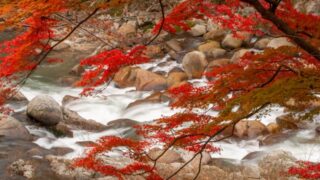
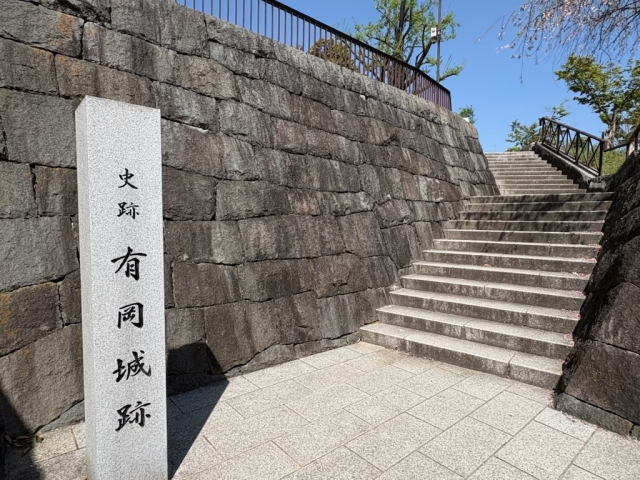
サムネイル画像は荒木村重の城であったところです。現在は石垣だけが残っています。
The thumbnail image is the place where Araki Murashige’s castle used to be. Currently, only the stone walls remain.
令和八年七月五日