

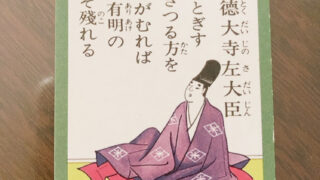
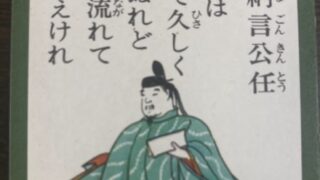

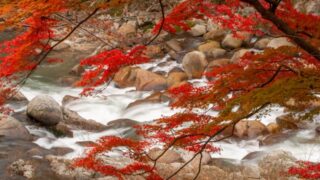

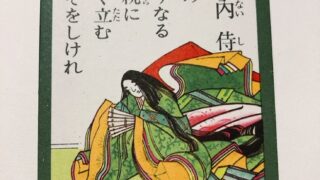
風をいたみ 岩うつ波の おのれのみ
砕けてものを 思ふころかな
源重之 (9??-1000)
百人一首 四十八番 恋
「詞花集」
かな
かぜをいたみ いわうつなみの おのれのみ くだけてものを おもふころかな。
「思ふ」は「思う」と読みます。
Kaze o itami / Iwa utsu nami no / Onore nomi / Kudakete mono o / Omou koro kana
言葉の意味
風をいたみ:風がはげしいので
Because the wind is fierce,
岩うつ波の:岩を打つ波が / 岩にぶつかる波が
The waves crashing against the rocks,
おのれのみ砕けて:自分だけが砕けて
It is only what is broken, shattered
ものを思うころかな:いろいろ考えてしまうこのごろです。
These days, when I am in such thoughts.
現代語訳
風が激しいので、波が岩を打っている。岩を打つこの波が自分だけ砕けてしまっているように、私だけが砕けているなどと、いろいろ考えてしまうこのごろです。
Because the wind is fierce, the waves are striking the rocks. Only the waves are breaking apart. I find myself thinking about various things these days, wondering if, like these waves, I am the only one who is broken.
岩に砕ける波に失恋した心を重ねて詠んだ歌です。「私の心は波のように砕けているのに、あなたは何ともなさそうですね。このごろは、そのようなことを考えていますよ。」という気持ちを詠んでいます。恋愛は相手がいるものなので、こういうこともありますね。相手と自分がいて、自分だけがさびしい、自分だけが悲しいという非対称な(asymmetrical)状況のつらさを詠んでいます。
This poem was composed by overlapping a heartbroken mind with the waves breaking against the rocks. It expresses the feeling: “Even though my heart is broken like the waves, you seem completely unaffected, don’t you? Lately, I’ve been thinking about various things like that.” Since love is that another person exists, things like this do happen. It sings of the painfulness of an asymmetrical situation where there is a partner and oneself, but only oneself is lonely, and only oneself is sad.
この歌の作者、源重之は10世紀後半の下級貴族でよく地方へ出向していましたが、歌人として高く評価されていました。前回書いた「見せばやな~」の歌は、下の源重之の歌へのアンサーソングです。これも失恋と海の歌ですね。
The author of this poem, Minamoto no Shigeyuki, was a lower-ranking noble in the late 10th century who was often dispatched to rural areas, but he was highly evaluated as a poet. The poem “Misebaya na…” that I wrote about last time is an answer song to this poem by Minamoto no Shigeyuki below. This is also a poem about heartbreak and the sea.
松島や 雄島の磯に あさりせし あまの袖こそ かくは濡れしか
Matsushima ya / Ojima no iso ni / Asari seshi / Ama no sode koso / Kaku wa nureshi
おお、松島よ。雄島の磯で漁をしている漁師の袖なら、私の袖と同じぐらい濡れているだろう。
Oh, Matsushima. The sleeves of the fishers who were fishing on the shores of Ojima must be just as wet as mine.

表現
~など:軽く考えている、軽蔑している気持ちを表します。
Expresses a feeling of thinking lightly of something or looking down on it.
彼と結婚したいという気持ちなど、わたしにはさらさらなかった。
I had absolutely no such feeling as wanting to marry him.
みんなのお金を使おうなど、考えたこともありません。
I have never even thought of such a thing as using everyone’s money.
どこかここではないところに行きたいなどと考えている。
I am thinking of something like wanting to go somewhere that is not here.
お前など、私の相手ではない。
Someone like you is no match for me.
砕ける:break, shatter
ガラスが割れたときのように、バラバラになって壊れる様子を表します。
This expresses how something breaks into pieces and is destroyed, like when glass breaks.
「当たって砕けろ」という言葉があります。
「失敗してもいいからやってみろ」という意味です。
It means “Give it a try even if you might fail (Go for broke).”
「心が砕ける」と似た言葉に「心が折れる」という言葉があります。
意欲 (motivation, enthusiasm) や気力 (energy, willpower)が、何かのきっかけでなくなることです。これまで積み上げてきた努力や我慢の限界が来て、それ以上続ける気力がなくなってしまったときに使われます。
A phrase similar to “kokoro ga kudakeru” is “kokoro ga oreru” (心が折れる – one’s heart snaps/folds). This means that one’s motivation or spirit disappears due to some trigger. It is used when the effort or patience you have built up so far reaches its limit, and you lose the energy to continue any further.
彼の気持ちにこたえようとしていたけど、あの一言で心が折れてしまった。
I was trying to respond to his feelings, but with that single word, my heart snapped.
~ものだ/~ものです
・物事の真理、本質、社会的な常識などを伝えるときに使います。
Used when conveying the truth or essence of things, social common sense, etc.
赤ちゃんは泣くものです。
Babies are meant to cry. (It is natural for babies to cry.)
人は間違えるものです。
Humans are bound to make mistakes.
そろそろ結婚しないの?
“Aren’t you going to get married soon?”
結婚は相手がいるものだからね。
“Well, marriage is something that requires a partner, after all.”
体の不自由な人には、席をゆずるものです。
You should give up your seat to people with disabilities.
人の悪口は言うものではありません。
You should not speak ill of others.
・話している人が主観的に「真実である」と思っていることに使います。
Used for things that the speaker subjectively thinks are “true.”
人生はつらいものだ。
Life is a painful thing.
女性はおとなしくするものです。
Women are supposed to be quiet.
今日もここまで読んでくれてありがとうございました。
九州北部エリアも、梅雨に入りました。これから雨の降る日が続きます。
Thank you for reading this far today as well.
The northern Kyushu area has also entered the rainy season. Rainy days will continue from now on.
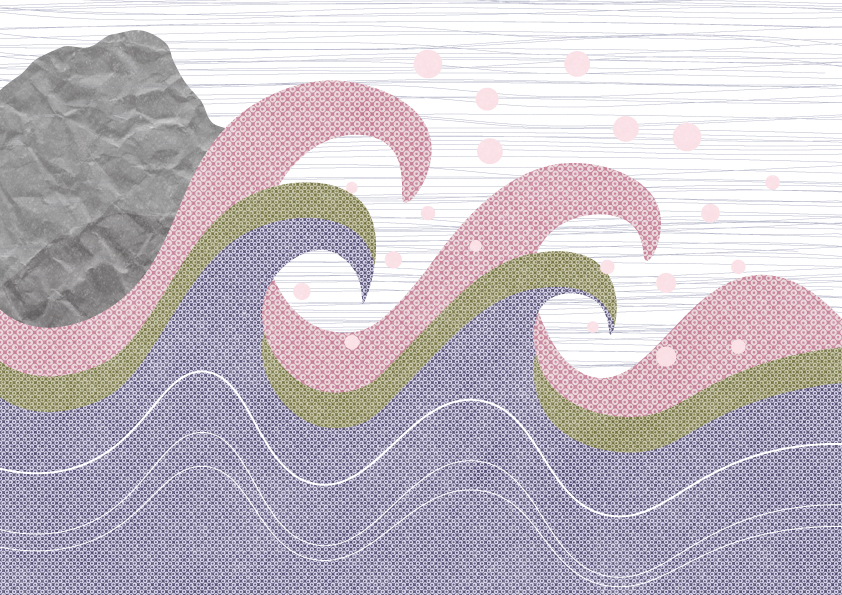
このページのサムネイル画像は、素材サイトのイラストACからダウンロードしたものです。SHIEDAさんという方のイラストを使っています。
The thumbnail image for this page was downloaded from the stock photo site “Illust AC.” I am using an illustration by a person named SHIEDA.
令和八年六月八日