








7月に入りました。日本では蒸し暑い日々が続いています。今日、7月4日の東京は、摂氏34度まで上がりました。夜も暑さが続いています。暑いので、湿度高めな歌を紹介しようと思います。
July has arrived. The days in Japan continue to be hot and humid. Today, July 4, the temperature in Tokyo rose to 34 degrees Celsius. The heat continues at night.. Since it is so hot, I would like to introduce a poem that I feel wet emotion.
難波潟 みじかき芦の ふしの間も 逢はでこの世を 過ぐしてよとや
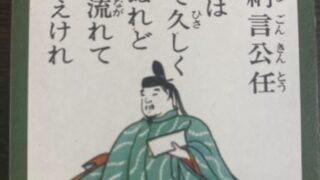
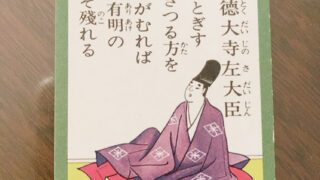
伊勢 (875-938)
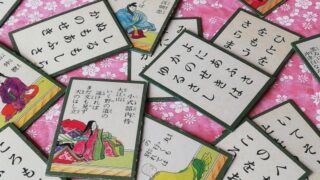
百人一首 十九番
「新古今和歌集」 恋
かな
なにはがた みじかきあしの ふしのまも あはでこのよを すぐしてよとや
読む時は、「なにはがた」を「なにわがた」、「あはで」を「あわで」と読みます。
言葉の意味
難波潟
今の大阪湾のことです。大阪湾に川が流れ込むところに、芦という植物がたくさん生えていました。
Naniwa Lagoon
This is what is now Osaka Bay. Where the river flows into Osaka Bay, there grew many plants called ashi (reed).
芦 水辺に生えるイネ科の植物です。
Reed It is a member of the Poaceae family that grows near water.
節 ここでは「ふし」と読みます。竹や芦などの植物の茎にはっきりと見られます。新しい葉や茎が出てくるところです。竹や芦などの植物の茎が節で分けられているように見えることから、「節」は時間の区切りを表すメタファーとして使われます。
Node Here, it is read as “fushi”. It is clearly seen on the stems of plants such as bamboo and reed. This is where new leaves and stems emerge. Because the stems of plants such as bamboo and ashi appear to be splited by nodes, “fushi” is often used as a metaphor for the division of time.
| 会わないで | without meeting | |
| この世を | this society | |
| 過ごしなさいと言うのですか | Do you say I should spend ~ |
現代語訳
難波潟(大阪湾)に生える芦の節の間のような、短い時間でさえも、会えないのですか。会わないで過ごしなさいとあなたは言うのですか。
Can we not see each other even for a short time, like the time between the node of the reeds that grow in the Naniwa Lagoon (Osaka Bay)? Are you saying I should spend my time without meeting you?
ここでは、「芦の節の間」という言葉を「短い時間」という意味のメタファーとして使っています。ほんの短い時間だけでいいから、顔を見せてほしい。思う人に会えなくてつらいという気持ちを詠んだ歌です。
Here, the term “between the nodes of a reed” is used as a metaphor for “a short time.” I want you to show me your face, if only for a short time. This is a poem about the pain of not being able to see the person you think you want to.
水辺に生える植物、思う人に会えない気持ちを詠んだ歌なので、湿度高めと言ってしまいましたが、待つしかない人の立場はとてもつらいものだったでしょう。ほんの少しの心遣いがあれば、心穏やかに過ごせることもあるので、パートナーの気持ちは大切にしたいですね。
I said the poem humid because the poem is about a plant that grows near water and the feeling of not being able to see the person you want, but the position of the person who has to wait must have been very difficult. With just a little bit of thoughtfulness, it can be possible to be at peace, so the feelings of the partner should be cherished.
「大事」と「大切」、どちらも英語では “important” です。意味もほとんど同じですが、「大事」は客観的に価値があるもの、「大切」は自分の気持ちにとって “important” なものに使うことが多いです。
例 今週は大事な試合があります。
役所から来た大事な手紙。
父からもらった大切な時計。
子どもが描いた絵を大切にしている。
Both “大事” and “大切” are “important” in English. The meaning is almost the same, but “大事” is often used for things that are objectively valuable, while “大切” is often used for things that are “important” to one’s feelings.
今日もここまで読んでくれてありがとうございました。
令和六年七月四日