





先週は京都に行ってきました。いろいろなお寺や神社、京都御苑(Kyoto Imperial Garden)などを見てきました。どこも美しくて本当に行ってよかったと思いました。
今日はこの旅行で見たお祭り、葵祭を紹介します。「源氏物語(The Tale of Genji)」にも出てくるとても古いお祭りです。
Last week, I went to Kyoto. I looked around various temples, shrines, and the Kyoto Imperial Garden. Everywhere was beautiful, and I felt really glad that I went.
Today, I will introduce the Aoi Matsuri (Aoi Festival) that I saw during this trip. It is a very old festival that also appears in “The Tale of Genji.”
下鴨神社 Shimogamo Shrine
葵祭は、下鴨神社、上賀茂神社に捧げられる京都で一番古いお祭りです。6世紀中ごろ、凶作(poor harvests)と疫病(epidemics)を鎮めるために、天皇が両神社に勅使(メッセージを伝える人)を送ったことから始まりました。
上賀茂神社は雷の神様、下鴨神社は京都の街を作った神様と美容の神様を祀っています。
葵は両神社のシンボルで、このお祭りでは神社の建物、行列などが葵の葉で飾られます。
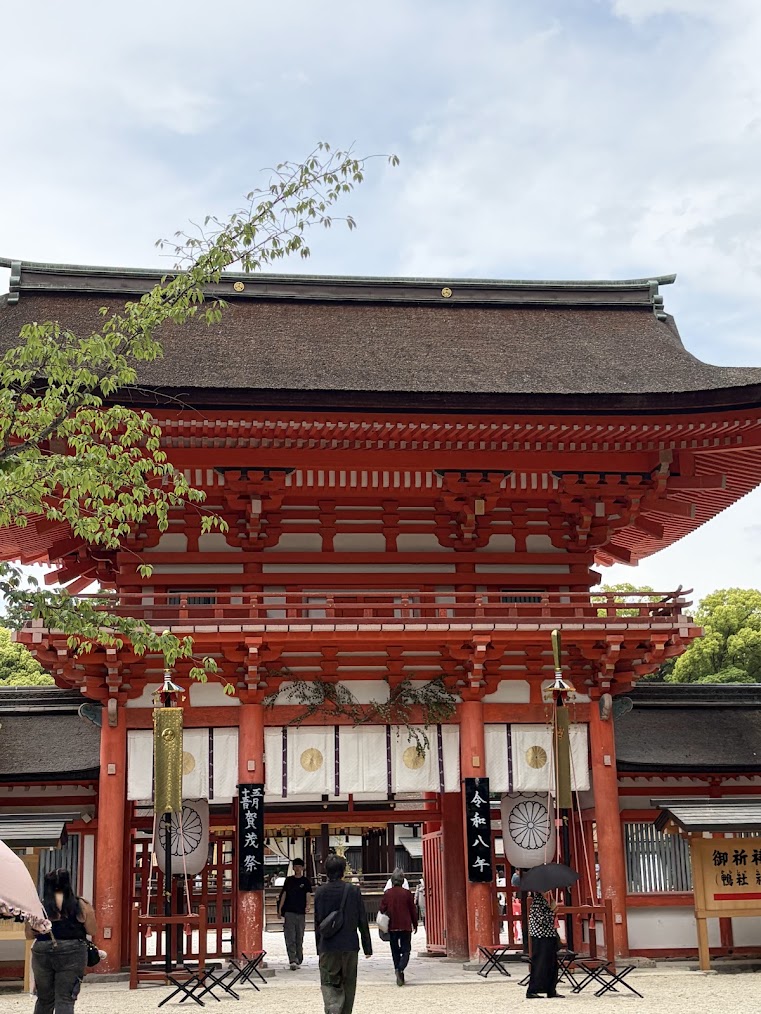
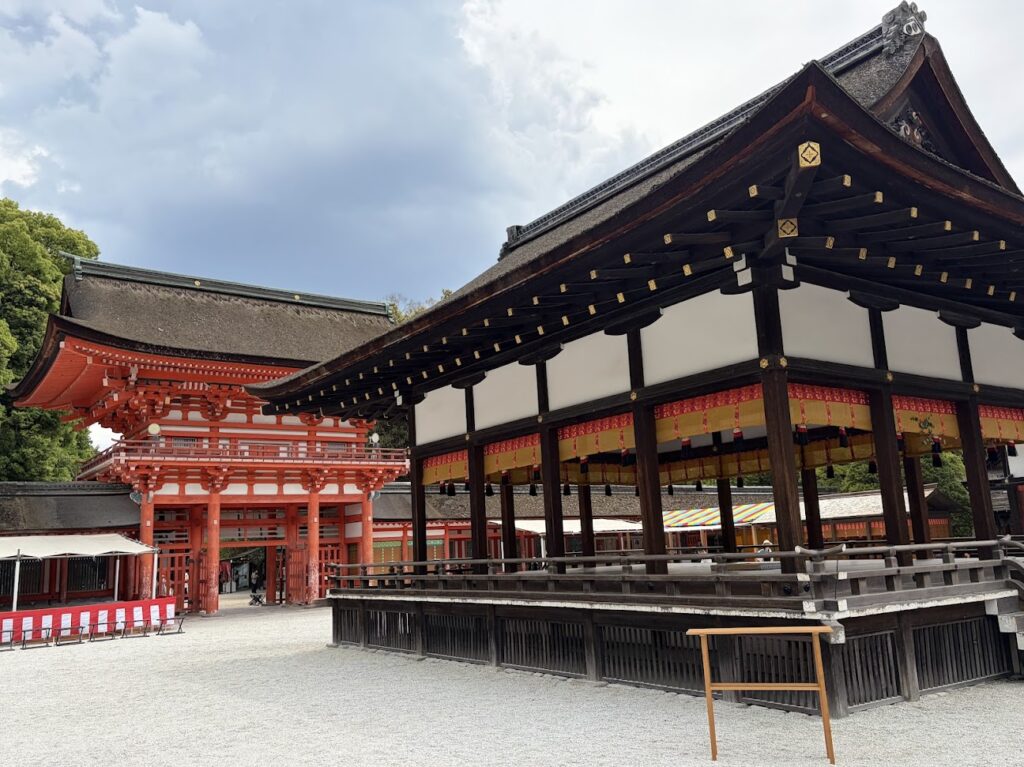
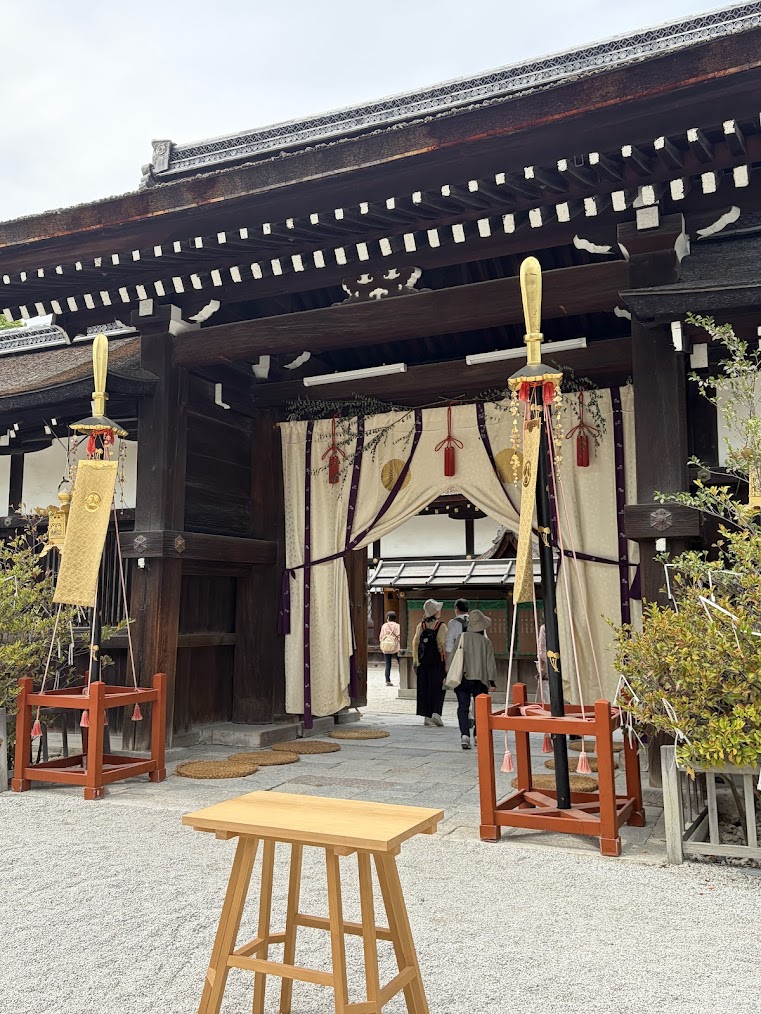
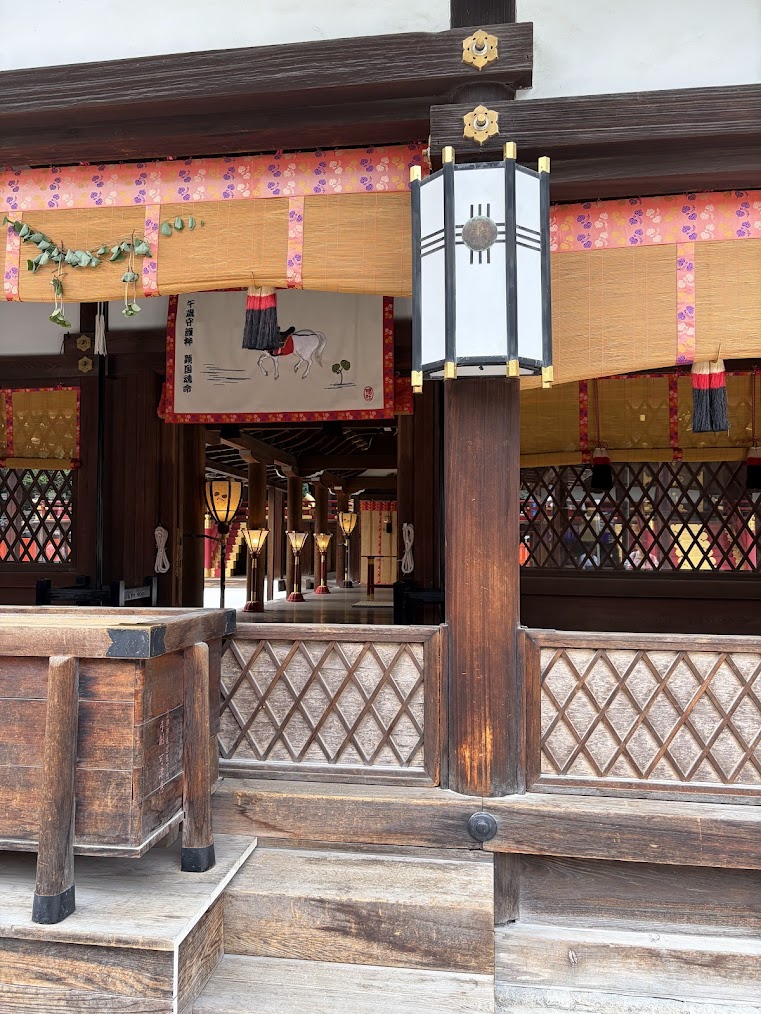
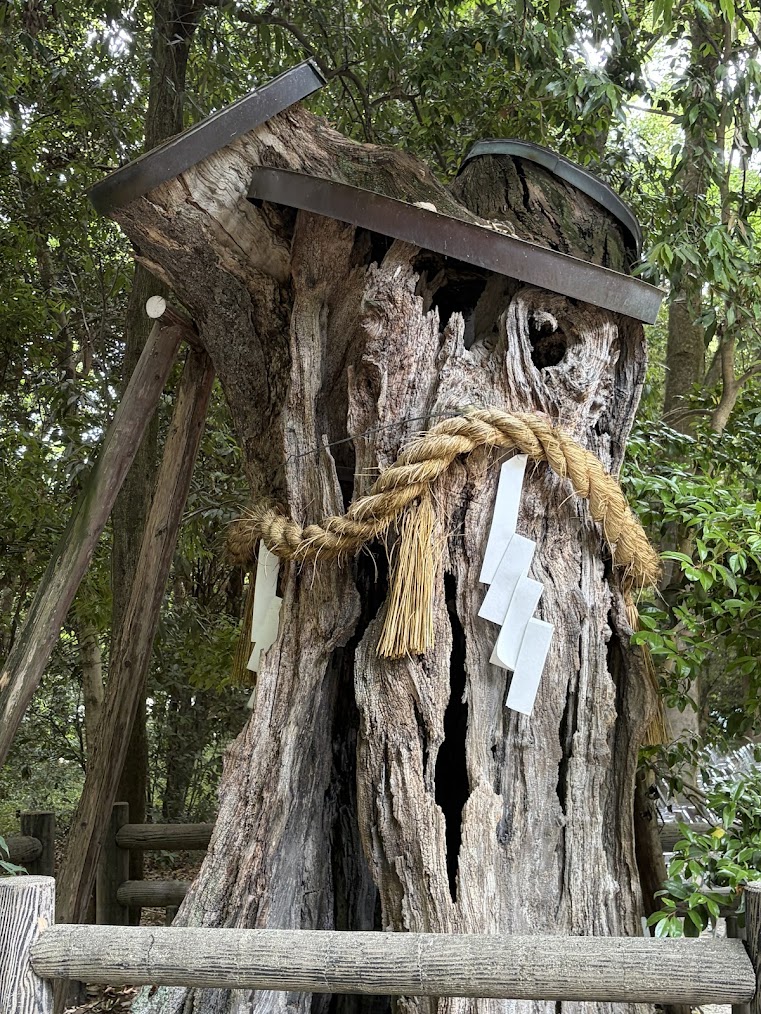
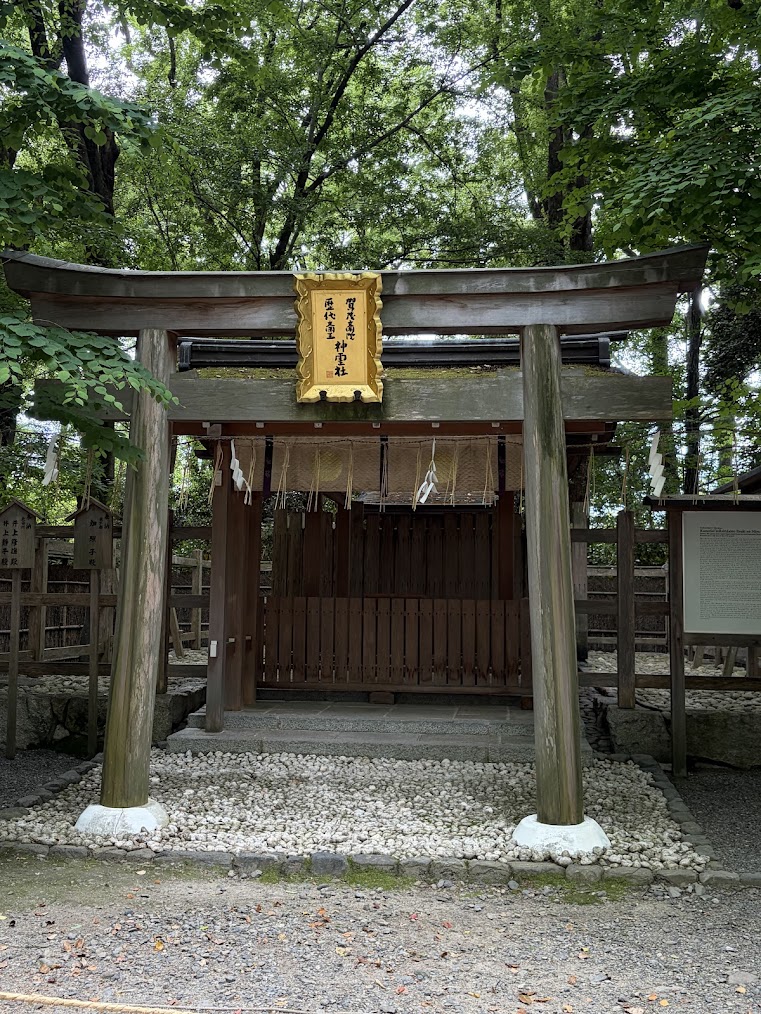
下の写真は下鴨神社とその周辺です。祭りの前日に撮影しました。
Shimogamo Shrine The Aoi Matsuri is the oldest festival in Kyoto, dedicated to Shimogamo Shrine and Kamigamo Shrine. It began in the mid-6th century when the Emperor sent a Chokushi (imperial messenger / a person who delivers a message) to both shrines to calm poor harvests and epidemics. Kamigamo Shrine enshrines the deity of thunder, while Shimogamo Shrine enshrines the deity who created the city of Kyoto and the deity of beauty. Aoi (hollyhock) is the symbol of both shrines, and during this festival, the shrine buildings and the procession are decorated with hollyhock leaves. The photos below show Shimogamo Shrine and its surroundings. They were taken the day before the festival.
2026年5月現在、下鴨神社のトイレは全て和式(squat style)で、紙を購入するスタイルです。下鴨神社に行く時は気をつけてくださいね。
As of May 2026, all the toilets at Shimogamo Shrine are Japanese-style, and it is a style where you purchase toilet paper. Please be careful when you go to Shimogamo Shrine.
路頭の儀 Roto no Gi (Procession on the Road)
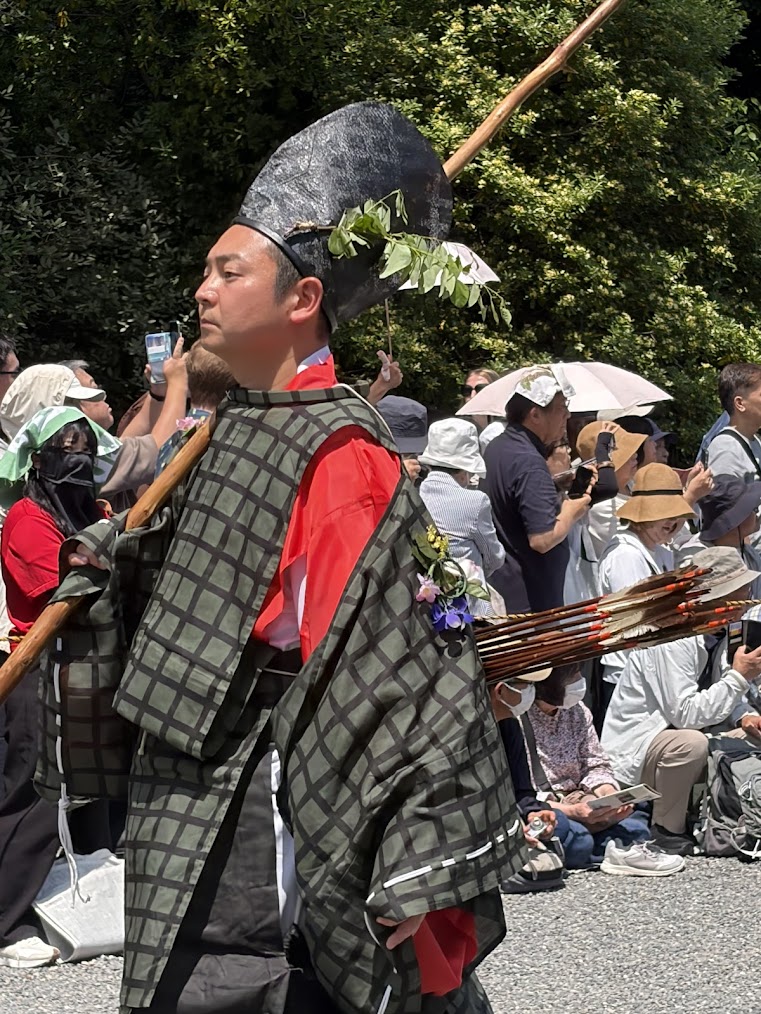
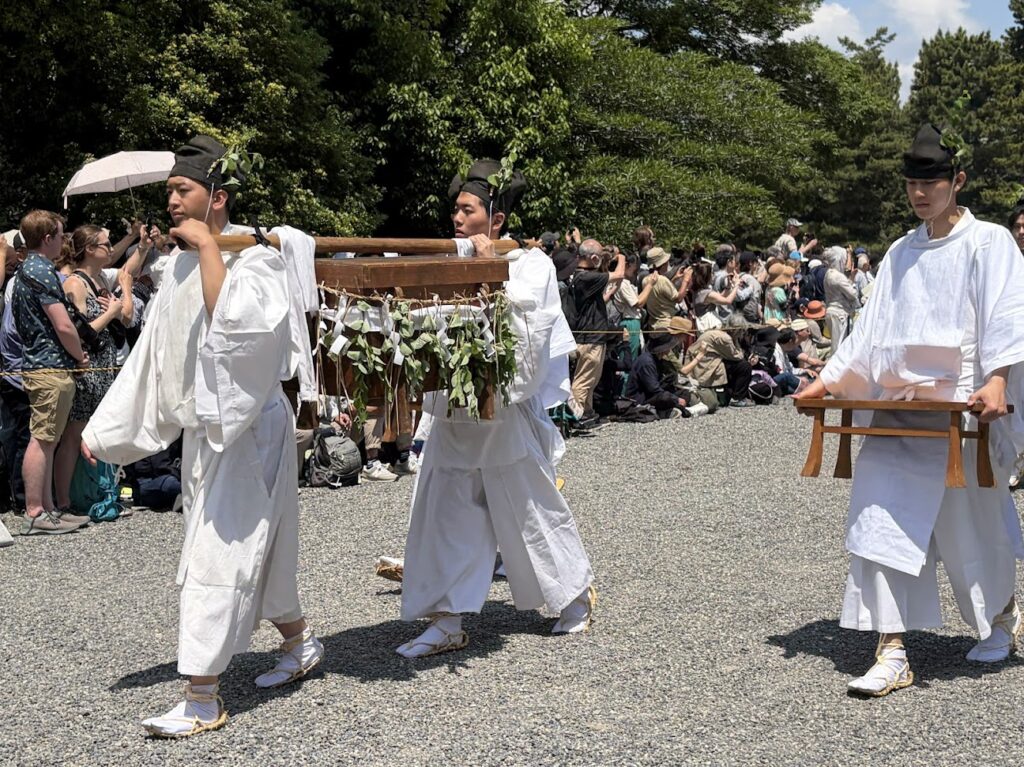
葵祭では、5月の上旬から様々な行事が行われますが、ハイライトは5月15日の行列です。平安時代の衣装を着た500人以上の人、馬36頭、牛2頭、牛車2台の行列が、京都御所(Kyoto Imperial Palace)から下鴨神社、上賀茂神社までねり歩き、神社の神様に天皇のメッセージを伝えます。
この行列が見たかったので、朝早くに京都御苑(Kyoto Imperial Garden)に行って場所取りをしました。私が場所を確保したのは京都御苑の南の門の近くですが、8時半に行ったらちょっと早すぎました。行列が来るのを2時間くらい待ちましたが、いい場所が取れて満足です。
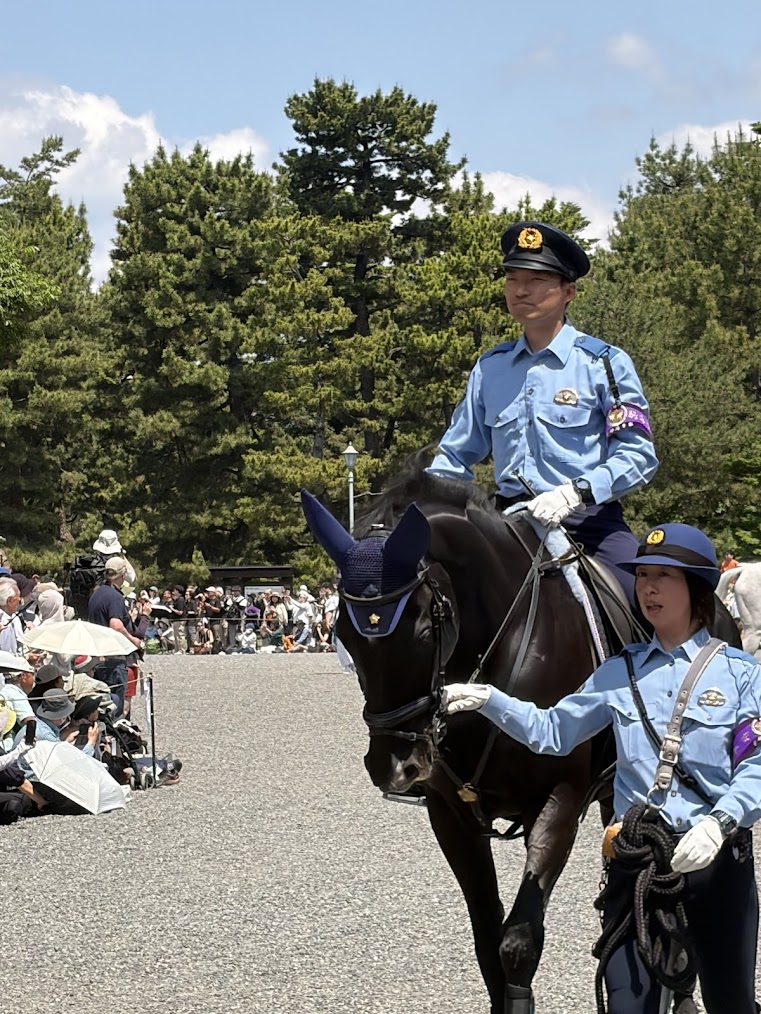
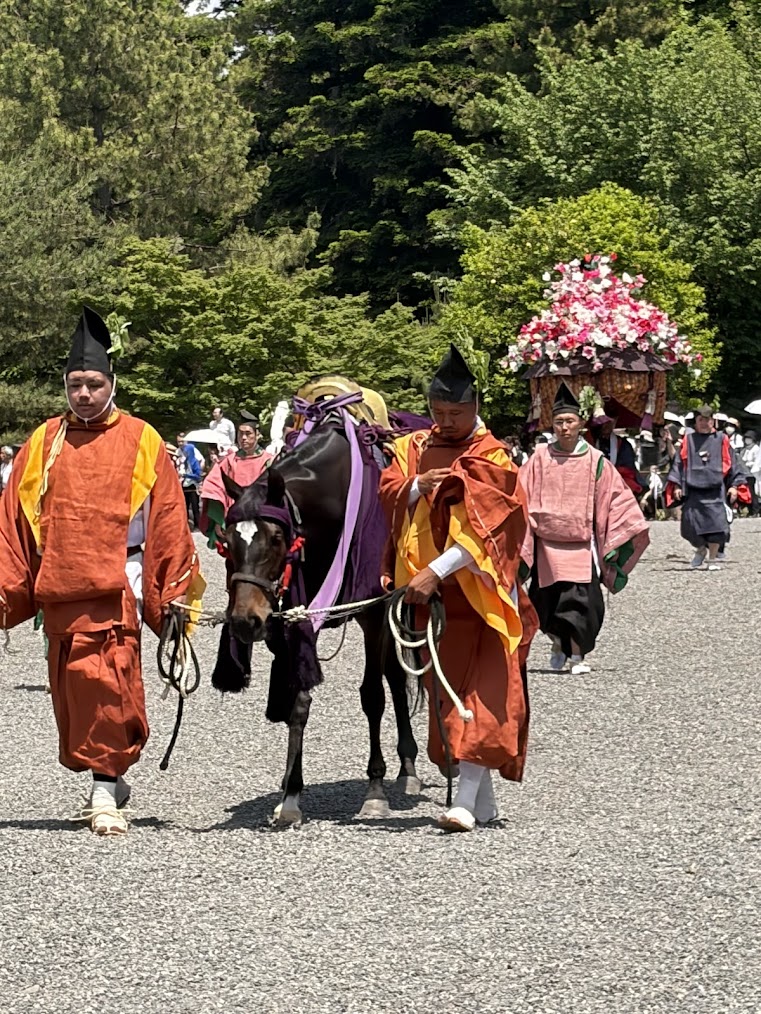
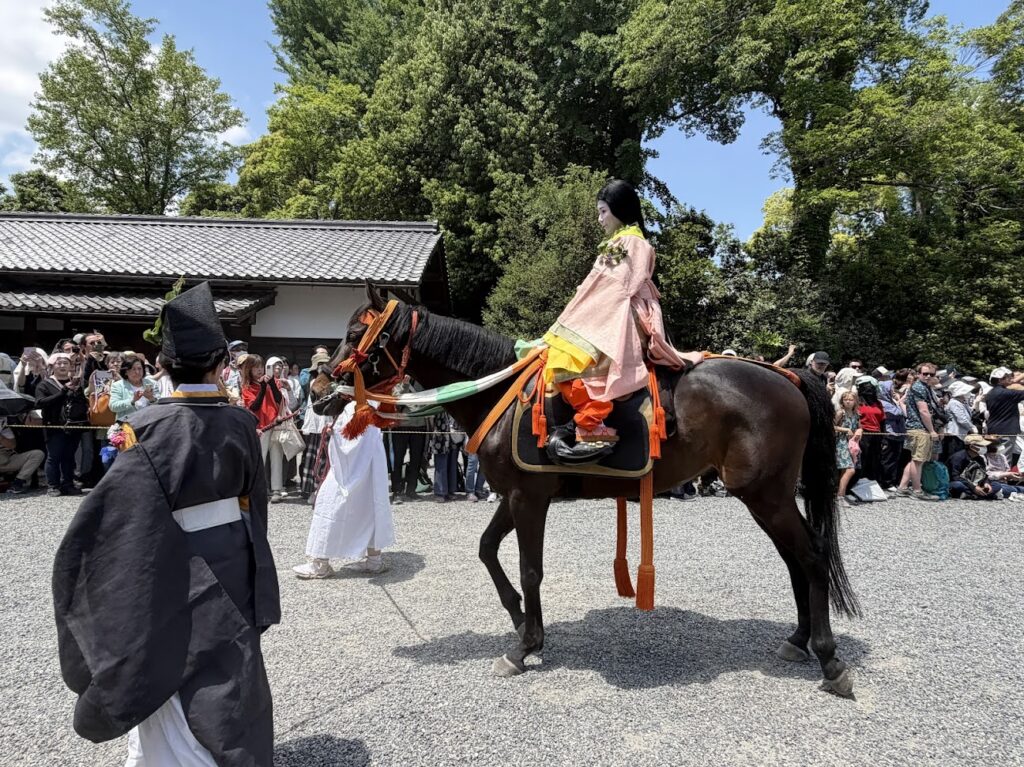
行列は10時半に御所を出発し、御苑の南側の門を通過します。行列を先導する警察官も立派な馬に乗っています。空の青と木の緑に昔の貴族の衣装が色鮮やかに映えています。
映える:引き立っている looks good, stand out, pop
青い空に白いお城が映えている。
The white castle stands out against the blue sky.
彼女の赤いドレスが舞台で映えている。
Her red dress really stands out on the stage.
インスタ映えするパフェ。
An Instagrammable parfait.
In the Aoi Matsuri, various events are held from the beginning of May, but the highlight is the procession on May 15th. A procession of over 500 people dressed in Heian period costumes, 36 horses, 2 oxen, and 2 oxcarts marches from the Kyoto Imperial Palace to Shimogamo Shrine and Kamigamo Shrine, delivering the Emperor’s message to the deities of the shrines.
Because I wanted to see this procession, I went to the Kyoto Imperial Garden early in the morning to secure a spot. The place I secured was near the south gate of the Kyoto Imperial Garden, but going there at 8:30 AM was a bit too early, and I waited for about two hours. However, I am satisfied that I got a good spot.
The procession departs from the Palace at 10:30 AM and passes through the south gate of the Garden. The police officers leading the procession are also riding splendid horses. The colorful costumes of the ancient nobles stand out vividly against the blue of the sky and the green of the trees.
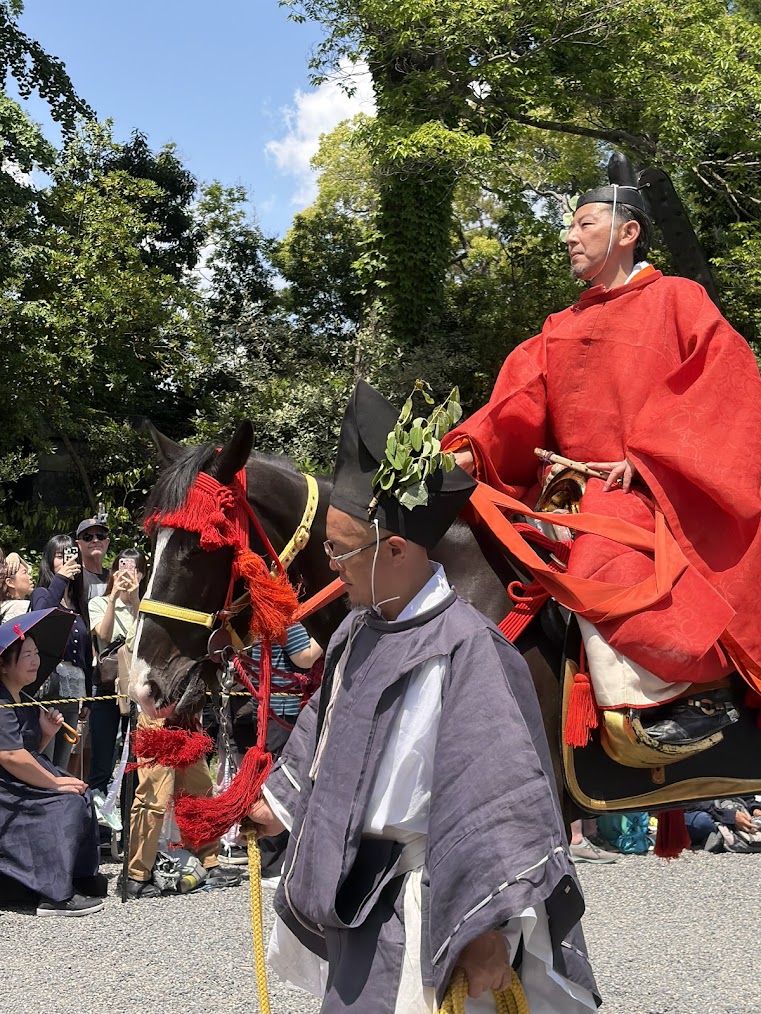
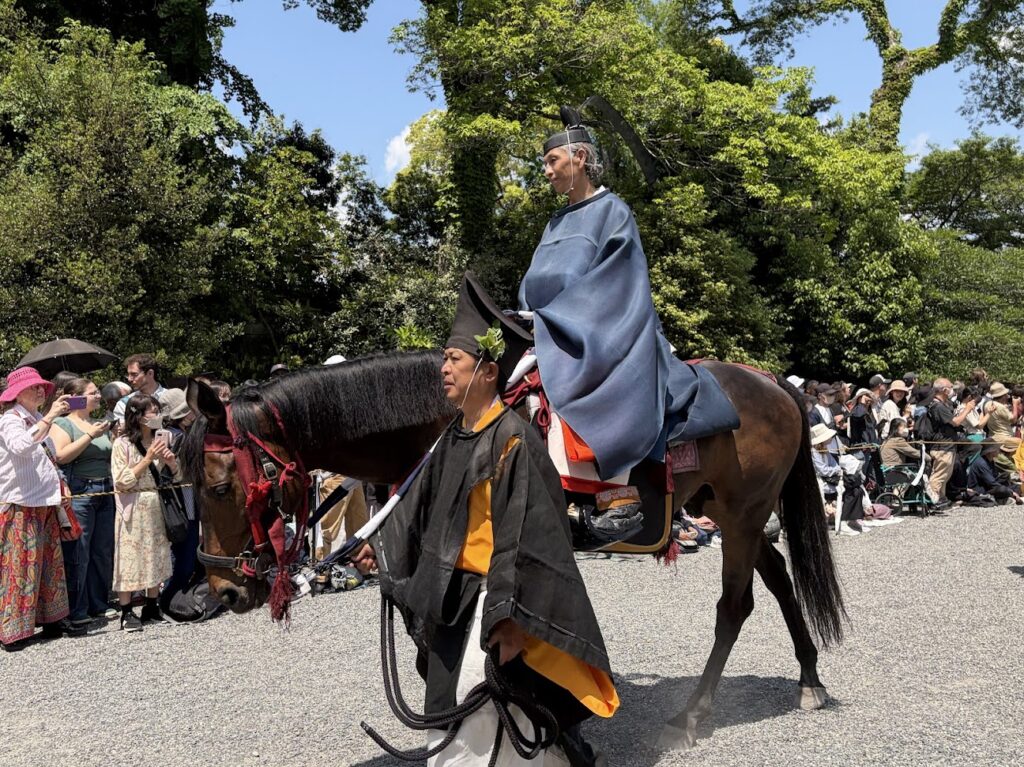
勅使:天皇のメッセージを神社の神様に伝える人です。
「源氏物語」では、光源氏が勅使になります。勅使になった源氏の姿を見ようと二人の女性が祭りに出かけます。そこで事件が起きます。この事件は「源氏物語」の最も印象的なシーンのひとつです。
Chokushi: A person who delivers the Emperor’s message to the deities of the shrines. In “The Tale of Genji,” Hikaru Genji becomes the Chokushi. Two women go out to the festival to see Genji in his appearance as the Chokushi. An incident happens there. This incident is one of the most memorable scenes in “The Tale of Genji.”
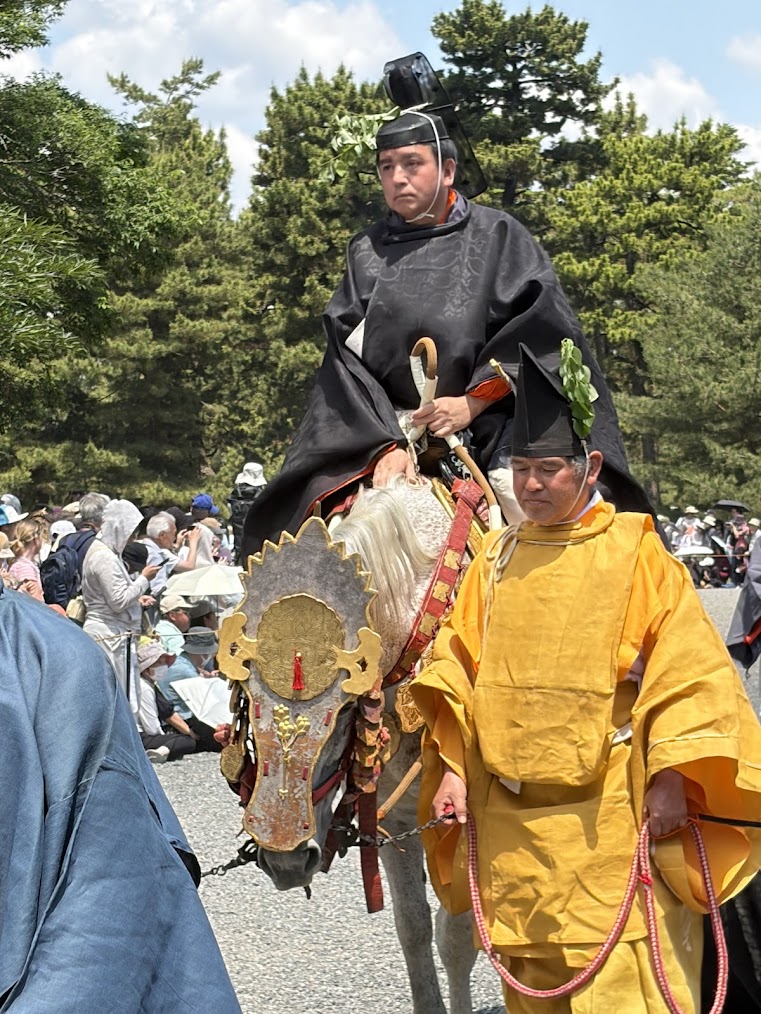
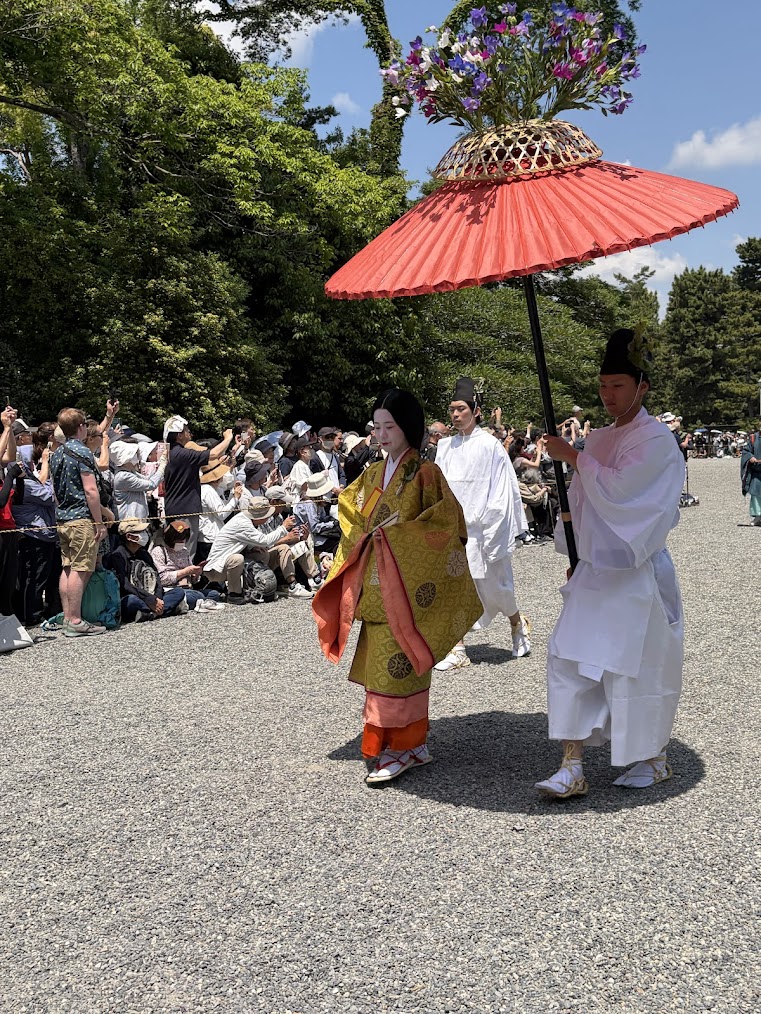
斎王代/斎王:斎王は上賀茂神社、下鴨神社の神様に仕える女性です。かつては未婚の内親王(Princess)や皇族の女性の役割でした。1300年半ばに斎王という制度はなくなりました。現在この役は京都の女性の中から選ばれ、斎王代とよばれています。
Saio-dai / Saio: The Saio was a woman who serves the deities of Kamigamo Shrine and Shimogamo Shrine. In the past, it was the role of unmarried Inner Princesses (Princesses) or female members of the imperial family. The Saio system disappeared in the mid-1300s. Currently, this role is chosen from among the women in Kyoto City, and she is called Saio-dai.
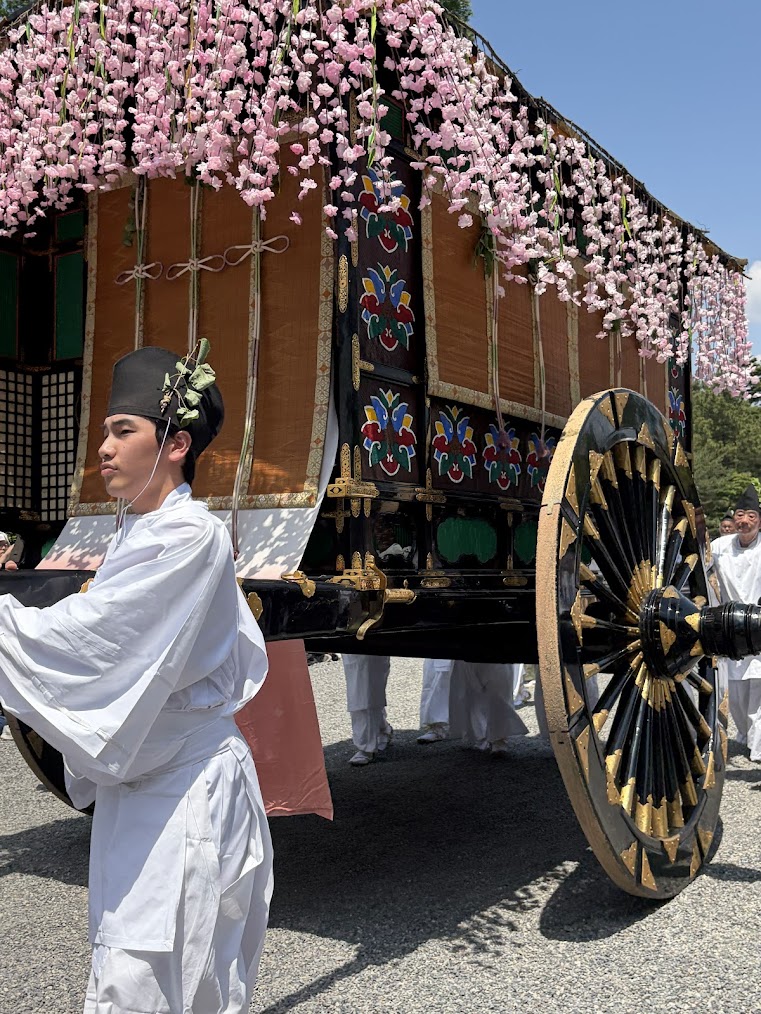
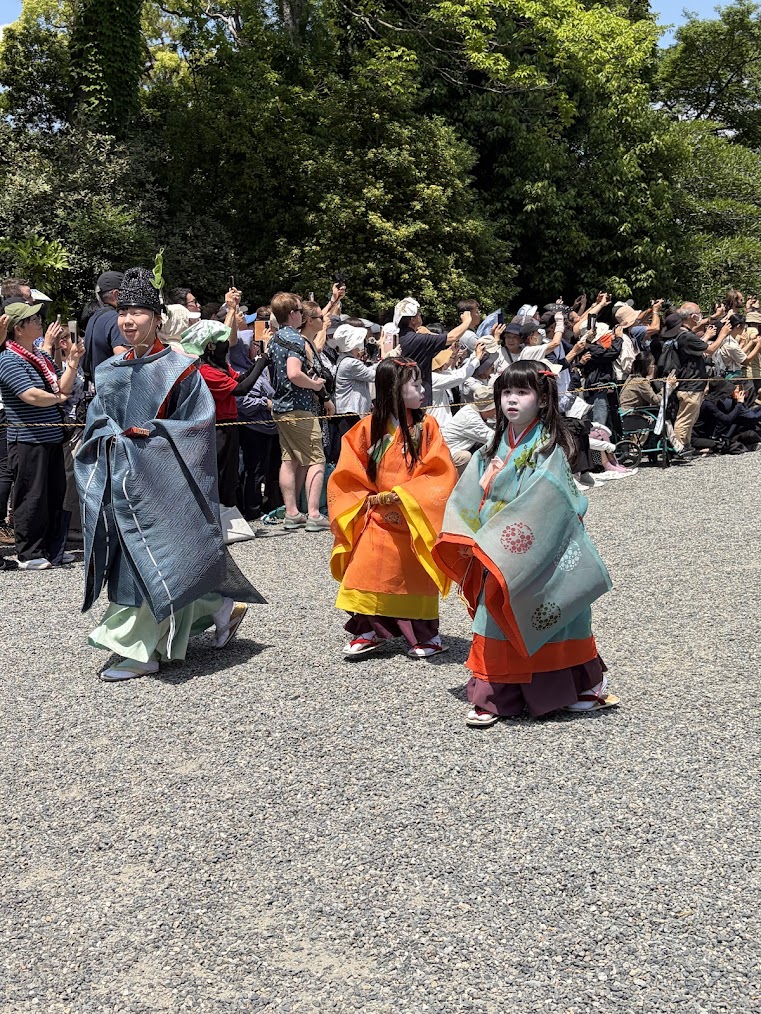
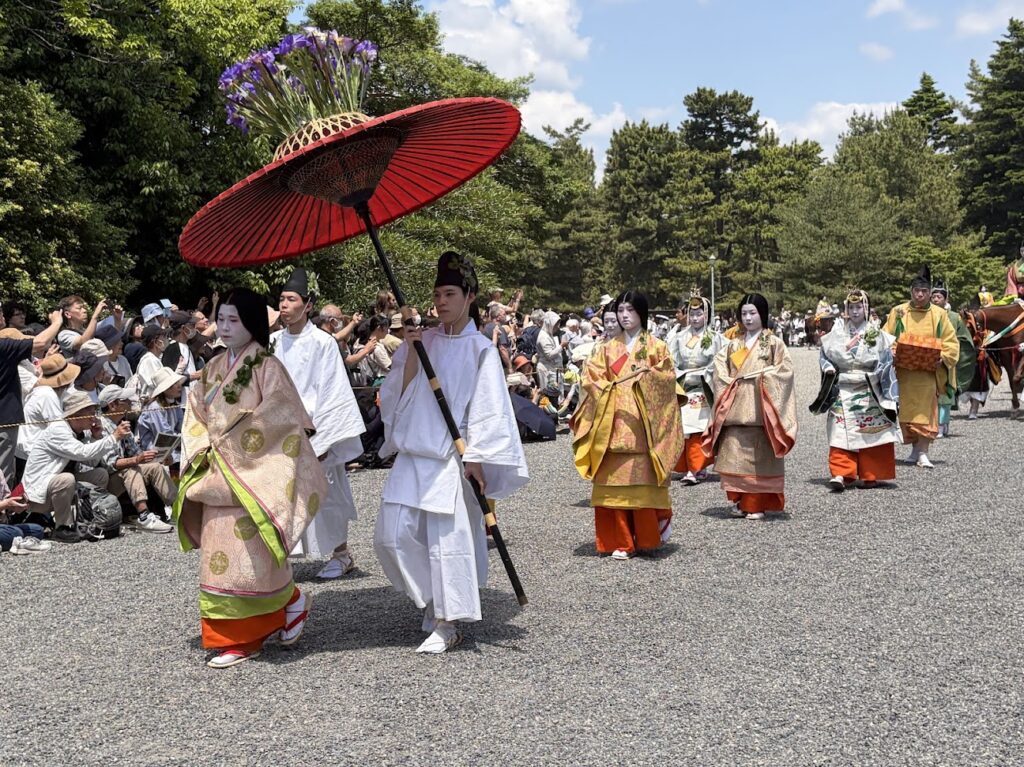
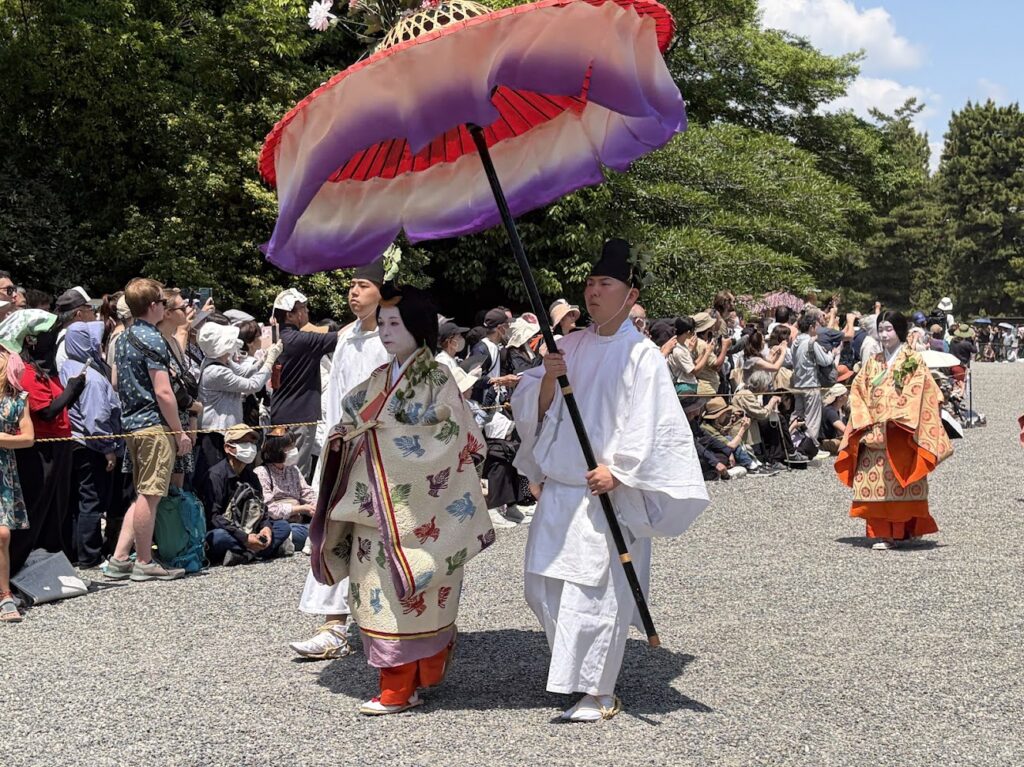
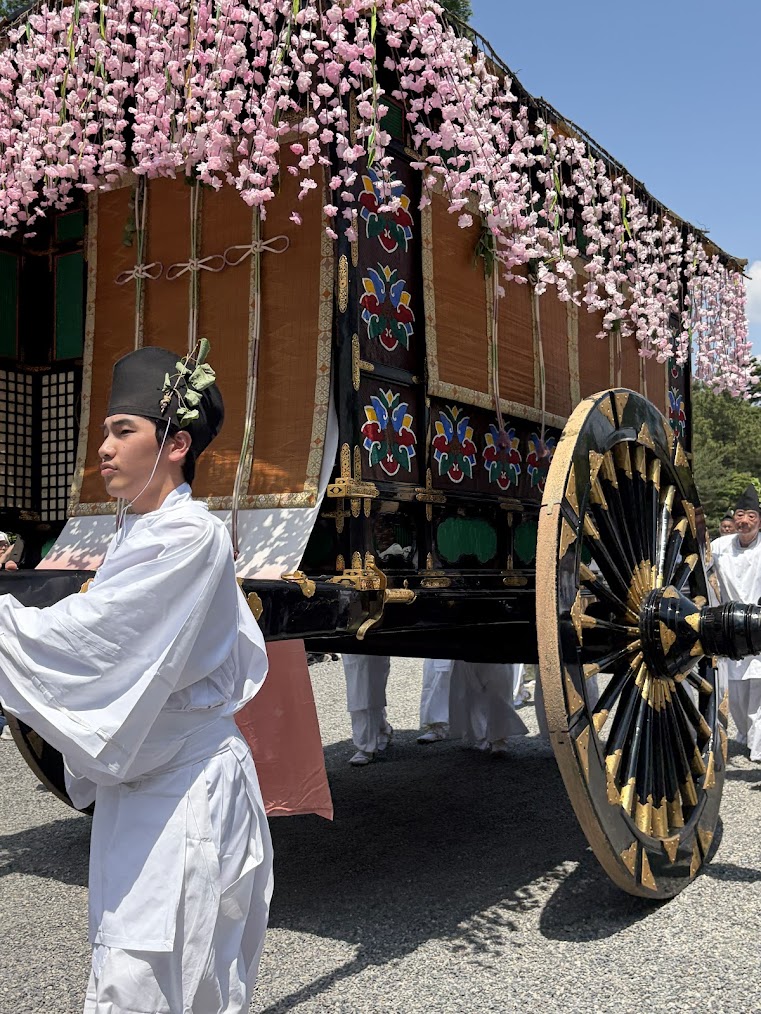
女性達の行列です。着物が鮮やかで美しく、子どもたちもかわいい。牛車もとても華やかです。
この日はとても暑く、この衣装と履物で8キロ歩くのは本当に大変だと思いました。
This is the procession of women. Their kimonos are vivid and beautiful, and the children are also cute. The oxcart is also very gorgeous.
It was very hot on this day, and I thought it must be really hard to walk 8 kilometers in these costumes and footwear.
葵祭は京都に夏を連れてくるお祭りです。これから、京都では祇園祭を始め、様々なお祭りが行われます。京都の人達が大切にしているものが感じられる季節です。
The Aoi Matsuri is a festival that brings summer to Kyoto. From now on, various festivals, starting with the Gion Matsuri, will be held in Kyoto. It is a season where you can feel what the people of Kyoto cherish.
下鴨神社のインスタグラムです。
https://www.instagram.com/reel/DXbZpxlBSb2
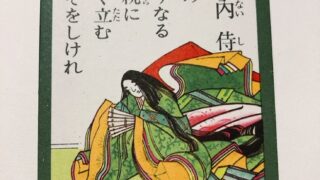
賀茂神社の斎王であった内親王の歌です。
This is a poem by a princess who served as the Saiō at Kamo Shrine.

令和八年五月二十一日