







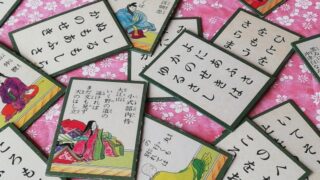
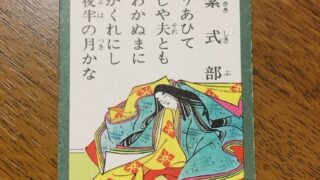

9月に入りました。まだまだ暑い日が続きますが、和歌の世界では秋です。
秋は収穫の季節です。どの作物も大事ですが、やはり米は日本を作ってきた大事な食べ物です。皇室でも、11月に米の豊作を祈る行事が行われます。
その大事なお米ですが、最近スーパーになくて、なかなか買えなくなっています。8月に地震が起きた後、お米の買い占めがおきたからだと言われています。そして、メディアでお米が不足しているというニュースが流れると、ますます買い占められるようになったようです。
9月には今年収穫した新しいお米がお店に並ぶので、米不足については、あまり心配していませんが、ニュースを見た後の行動については、少し考えさせられました。
今日紹介する歌は、お米に関係する歌です。
September has arrived. The days are still hot, but it is autumn in the world of waka poetry.
Autumn is the season of harvest. All crops are important, but rice is the most important food that has made Japan what it is. Imperial family holds a ceremony in November to pray for a good rice harvest.
Recently, rice has been hard to find in supermarkets. The reason is that there was panic-buying rice after the earthquake that hit Japan in August. When news of the rice shortage broke in the media, more and more rice was being bought up.
Since new rice harvested this year will be available in stores soon, I am not too worried about the rice shortage, but it made me think a little about people’s behavior after seeing the news.
The poem I am going to introduce today is related to rice.
秋の田の かりほの庵の 苫をあらみ わが衣手は 露にぬれつつ
天智天皇 (626-672)
百人一首 一番 秋
「後撰和歌集」
かな
あきのたの かりおのいおの とまをあらみ わがころもでは つゆにぬれつつ
言葉の意味
| 秋の田の | 秋の田の | of the rice field in autumn |
| かりほの庵の | 仮の小屋の | of a temporary hut |
| 苫をあらみ | むしろの目が荒いので | because the stitches of the straw mat are rough |
| わが衣手は | 私の袖は | The sleeves of my kimono |
| 露にぬれつつ | 夜の露にぬれています。 | wet with night dew. |
「かりほ」という言葉は、「仮の小屋」と「刈る」、「穂」をかけています。同じ音に、意味の異なる言葉を含めることで、歌からイメージできる世界がひろがります。
「かりほの庵」とは、稲の収穫の時期に、稲を動物などに荒らされないように見張るための小屋です。
The word “kariho” is a combination of the words “temporary hut” and “reap rice ears.” Including words with different meanings in the same sound, the world that can be imagined from the poem expands.
”Kariho no iori” is a hut used during the rice harvest to watch over the rice plants, to prevent them from being destroyed by animals or other predators.
「むしろ」とは、稲や竹などの植物で編んだ敷物のことです。昔は家や部屋の仕切りにも使われました。ここでの「目」とは、編み物や織物などのワンステッチのことです。「目の粗いセーター」のように使われます。
A “mushiro” is a woven rug made of rice, bamboo, or other plants. It was also used as a partition between houses or rooms. The word “me” here refers to one stitch in knitting or weaving. It is used as “目の粗いセーター/a coarse sweater.”
現代語訳
秋の田を見るために小屋にいます。むしろの目が粗くて、着物のそでが夜の露にぬれています。
I am in the hut to watch the rice paddies in the fall. The mats on the roof are coarse, and the sleeves of the kimono are wet with night dew.
お米の収穫を待つ、秋の歌です。田んぼを見るために、小屋に泊まっています。小屋の屋根に使っているむしろの目が粗いから、着物のそでが夜の露にぬれて湿っています。
農作業のワンシーンを詠んだ素朴な歌です。秋の夜の素朴で静かな雰囲気がとても高く評価されています。誰がこの歌を詠んだのかは、わかりません。7世紀の天皇、天智天皇の歌であるとされています。天皇とお米、日本の歴史にとって、大切なものが結びついたのでしょう。
This is an autumn poem, waiting for the rice harvest. He is staying in a hut to watch out for the rice fields. Due to the coarse-grained straw mat on the roof, the sleeves of my kimono were wet from the night dew.
This is a simple poem about a scene from a farmer’s work. The rustic and quiet atmosphere is very much appreciated. We do not know who composed this poem, but it is believed to have been composed by Emperor Tenji, an emperor of the 7th century. Emperors, and rice, which are important to the history of Japan must have been connected.
食事の前の「いただきます。」には、食材の命や、作ってくれた人、料理してくれた人に感謝して「食べ物をいただく」という気持ちがこめられています。
これから今年収穫されたお米がスーパーに並びます。収穫されたばかりのお米、新米は本当においしい。お米や、作ってくれた人、運んでくれた人、料理してくれた人に感謝していただきたいですね。
”Itadakimasu” before a meal expresses gratitude for the life of the food, the person who made it, and the person who cooked it.
From now on, rice harvested this year will be on sale in supermarkets. Freshly harvested rice, new rice, is delicious. I would thank the rice, the people who made it, transported it and cooked it.
今日もここまで読んでくれてありがとうございました。
令和六年九月八日