




8月も半ばを過ぎましたが、まだまだ暑い日が続いています。東京では先週、大雨であちこち水があふれていました。
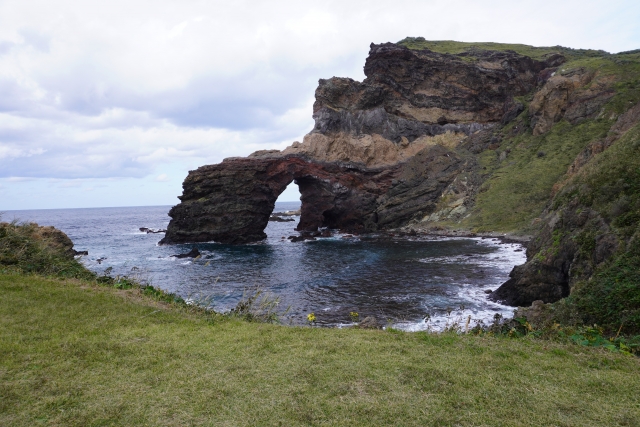
今日は海の歌を紹介しますが、子どものころはお盆を過ぎると、海や川に行かないように言われました。
It is now past the middle of August, but the weather is still hot. In Tokyo, there was heavy rain last week, causing water overflowing in many places.
Today I would like to introduce a poem about the sea. As a child, I was told not to go to the sea or rivers after Obon.
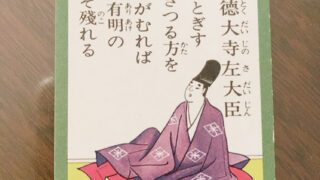
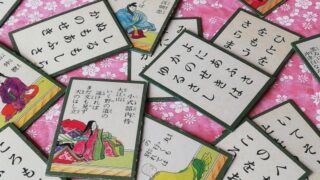
わたの原 八十島かけて 漕ぎ出でぬと
人には告げよ 海人の釣り舟
参議篁(802-852)
百人一首 十一番
古今集
かな
わたのはら やそしまかけて こぎいでぬと ひとにはつげよ あまのつりぶね
言葉の意味
| わたの原 | 広くて大きな海 | Wide and big sea |
| 八十島かけて | 多くの島を目指して | Aiming for many islands |
| 漕ぎ出でぬ | 船をこいで出発しました | I rowed the boat and left. |
| ひとにはつげよ | 私の知っている人に伝えてください | Please tell someone I know. |
| 海人の釣り船 | 漁師の船 | Fisherman’s Boat |
現代語訳
多くの島を目指して広い海に船をこいで出発したと、私の知っている人に伝えてください。そこの漁師の方。
The fishermen there. Please tell someone I know that I rowed the boat and left for the wide open sea for many islands.
都を離れ、島に向かう時の歌です。前半の「わたの原 八十島かけて 漕ぎ出でぬ」の部分には、広い海に向かって出発する明るい雰囲気がありますが、後半の「と人には告げよ」の部分には、知っている人に直接別れを伝えられない暗い雰囲気を感じます。
ただの旅行なら、「~に行ってくるね。」「気をつけてね。」といったやりとりがあります。でも、海で見かけたまったく知らない漁師に「私の知っている人に私が出発したということを伝えてください」と頼むのは、普通の状況ではありません。何か事情があるか、人に会えない心の状態の時です。
This is a poem about leaving the capital for an island. The first half, “Watanohara, Yasoshima kakete Kogiidenu,” has a cheerful atmosphere of departing for the wide open sea. However, the second half, “to Hito niwa tsugeyo,” has a darker atmosphere of not being able to tell people you know goodbye in person.
If you leave for just a trip, it would be more like, “I’m off to ~.” and “Take care.” However, asking a fisherman you see at sea, whom you do not know, to “tell someone I know that I have left” is not normal. It is when there are some reasons or you are in a state of mind where you cannot see people.
この歌は、参議篁という人が天皇の怒りを買い、都から離れた島に流される時に詠んだものです。「怒りを買う」とは人を怒らせることですが、おもしろい表現ですね。「島に流される」というのは、罰を受けて離れた島に送られることです。
罰を受けて、華やかな都から海の向こうの島に流される時の気持ち、親しい人にも会いたくなくなるでしょう。
この歌は明るい海の雰囲気の中に、陰のある気持ちを詠んでいて、印象に残る歌だと思います。
This poem was composed by a man named Takamura, a councilor when he incurred the Emperor’s wrath and was exiled to an island far from the capital. The word “怒りを買う” means to provoke someone to anger, which is an interesting expression. “島に流される” means to be punished and sent to a remote island.
The feeling you get when you are punished and cast away from the glamorous capital to an island across the sea, you will not want to see
even your closest friends.
This poem describes a shadowy feeling in a bright sea atmosphere. That makes the poem memorable.
今日もここまで読んでくれて、ありがとうございました。
日本ではまだまだ涼しくなりませんが、8月ももうすぐ終わりです。身体に気をつけてお過ごしください。
Thank you for reading this far today.
It has not yet cooled off in Japan, but August is almost over. Please take care of yourself.
令和六年八月二十五日