








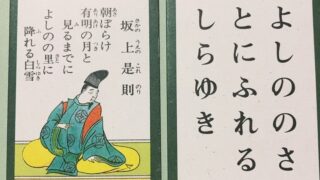
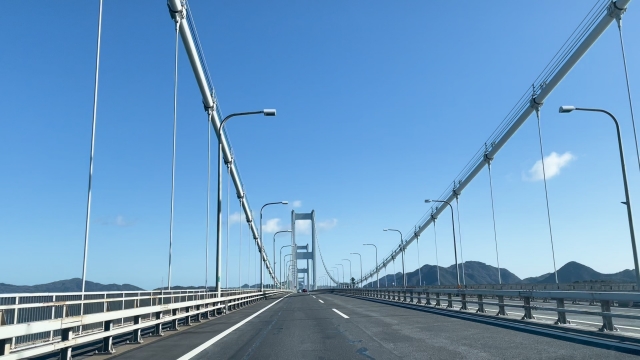
9月も終わりです。9月最後の日曜日は、掃除をして、テレビや映画を見て過ごしました。いつも百人一首や祝日などを紹介しているブログですが、今日は気分を変えて映画の紹介を書いてみたくなりました。
It’s the end of September, and I spent the last Sunday in September cleaning up and watching TV and movies. I usually write about ”Hyakunin-Isshu / One Hundred Poets, One Poem Each” and holidays, but today I wanted to take a break from my usual posts and write about a movie.
ドライブ・マイ・カー
この映画の原作は村上春樹の短編小説です。原作は読んだことがないのですが、村上春樹の作品は、私もいくつか読んだことがあります。
映画の最初、正直、「また変な女に振り回される、主体性のない男の話か」と思いました。そして、インテリアのセット、村上春樹の作品のイメージ通り、おしゃれだなと。
そんな感想を持って見始めたのですが、続きが気になり見続けました。これが想像していたよりずっとよかったのです。それで、たまには映画の感想もいいなと思い、今回の投稿のテーマにしました。
The film is based on a short story by Haruki Murakami. I have not read the original story, but I have read some of Haruki Murakami’s works.
At the movie’s beginning, I honestly thought, “Another story about a man with no initiative being pushed around by a weird woman.” and that the interior set, just like the image of Haruki Murakami’s works, was stylish.
I started watching the movie with that impression but kept watching because I was curious about the rest of the story. It was much better than I had imagined. So, it would be nice to give my impressions of the movie once in a while. That is why I chose it as the theme of this post.
言葉
とはいうものの、ネタバレを含まずに感想を書くというのは非常に難しい。おおざっぱに感じたことを書いてみようと思います。
主人公は芝居の演出家で、俳優です。車と芝居を通して「生きる」ことを探す物語ということができるでしょう。芝居を作ることを描いているので、言葉がとても大事な要素となる映画です。同時に、この映画には、言葉以外のメッセージがあふれていました。表情、態度、同じものを愛している者どうしだから言葉を介さずに伝わるもの。言葉はわからなくても、相手の言っていることをわかろうとするから伝わるもの。ものや技術が伝えるもの。土地が語りかけてくるもの。隠そうとしていても伝わってくるもの。嘘の中にある本当のもの。抑えているものが抑えきれなくて、生き方に表れてくるもの。
そして、それらを言葉にする。芝居で表現する。
こうやって書いていると「言葉以外のメッセージ」って本当にたくさんあるものだと思います。言葉以上に雄弁です。その一方で、見落としていたり、見ないふりをしていたり。
言葉を教える仕事をしていますが、言葉の無力さを感じることもあります。「沈黙は金」という言葉の意味するところも、年をとると痛いくらいにわかる。それでも言葉を尽くさないといけない時がある。
言葉以外のメッセージに耳をすませた上で、真剣に言葉を紡ぐ。そこで生まれた物語が美しいと思いました。
また、人が長く愛してきた物語はすばらしい。チェーホフの「ワーニャ伯父さん」の芝居と、いろんな言葉や言葉以外のメッセージの組み合わせがとてもおもしろい作品でした。チェーホフの作品を読んでみたくなりました。
日本語を学習しているみなさんも、教えている私も、言葉を愛しているのだと思いました。
ここまで読んでみていかがでしたか。このブログの文章はN3レベルの日本語学習者を対象にしたレベルで書いています。N3レベルに達していなくても、「ドライブマイカー」を見たことがあれば、私の言いたいことが伝わるかもしれません。言葉や漢字が好きだったら、文章の内容がなんとなくわかるかもしれません。そのように感じてもらえれば、とても嬉しく思います。
However, it is difficult to write my impressions without including spoilers. I’m trying to write what I felt roughly.
The main character is a play director and actor. It can be said that it is a story about searching for “life” through a car and a play. Since the film is a story of making a play, language is an important element in the movie. At the same time, the film was full of messages other than words. Facial expressions, attitudes, and things that are communicated without words because they love the same things. Even when they don’t know each language, things can be conveyed from the effort to understand. What things and techniques tell. What the land speaks to us. Things that are conveyed even when people try to hide. Truth in a lie. What is suppressed but cannot be suppressed appears in their way of life.
Then, put them into words. Express them in a play.
When I write like this, I realize there are many “messages other than words.” They are more eloquent than words. On the other hand, we overlook them or pretend not to see them.
I teach language, and I sometimes feel the powerlessness of words. As I get older, I understand painfully what the phrase “silence is golden” means. Still, there are times when we must do our best with words.
Listening carefully to non-verbal messages and then weaving words earnestly. The story that was created there was beautiful.
Besides, the story that people have loved for so long is wonderful. Intertwining Chekhov’s play “Uncle Vanya” and various words and nonverbal messages is deeply fascinating. I feel like reading Chekhov’s works.
Everyone learning Japanese, and I who teach it, love languages, I think now.
How did you like reading this far? The text in this blog is written at a level intended for N3 level Japanese language learners; even if you are not at N3 level, if you have seen “Drive My Car,” you might get what I am trying to say. If you like words and kanji, you might be able to understand what the text is about. If you feel that way, I will be happy.
令和六年九月二十九日