


前回ソメイヨシノと八重桜を紹介しました。花びらが5枚あるのがソメイヨシノで、花びらの数が多いのが八重桜でしたね。今日紹介するのは、原種(original)に近いと言われている山桜と山桜を詠んだ歌です。八重桜と同じく、ソメイヨシノの後に咲きます。
In the previous time, I introduced someiyoshino and yaezakura cherry. Someiyoshino was the one with five petals and yaezakura was the one with many petals. Today, I would like to introduce a poem about yamazakura and yamazakura, which are said to be close to the original species (original). Like the yaezakura, it blooms after someiyoshino.
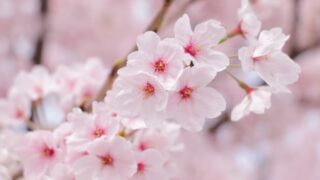
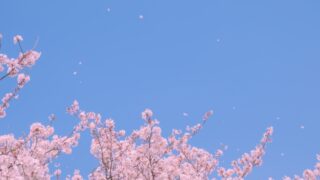
下の写真はソメイヨシノです。花びらが5枚あります。葉が出る前に花が咲きます。とても華やかですね。
The photo below shows someiyoshino. It has five petals. The flower blooms before the leaves appear. They are very gorgeous flowers.
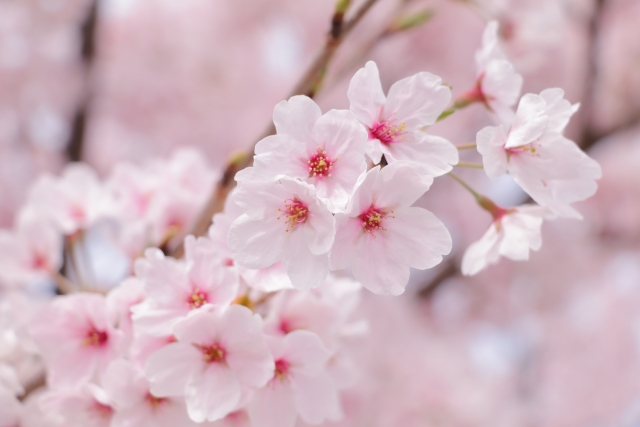
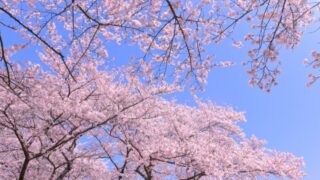
下の桜は、山桜のひとつ、オオシマザクラです。こっちも花びらが5枚あります。葉が出るのと同時に花が咲きます。香りが強い桜です。少し落ち着いた雰囲気があります。
The cherry below is Oshima-zakura, one of the mountain cherry trees. This one also has five petals. The flowers bloom at the same time as the leaves appear. It is a cherry tree with a strong fragrance. It has a slightly subdued atmosphere.

| 華やか | はなやか | gorgeous |
| 花びら | はなびら | petal |
| 落ち着いた | おちついた | subdued, calm |
| 雰囲気 | ふんいき | atmosphere |
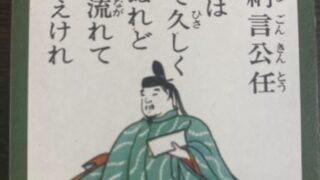
もろともに あはれと思へ 山桜 花よりほかに 知る人もなし
前大僧正行尊 (1055-1135)
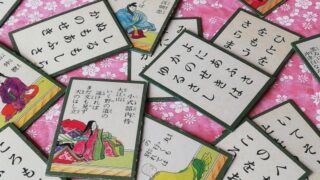
百人一首 六十六番
「金葉和歌集」 雑
かな
もろともに あはれとおもへ やまざくら はなよりほかに しるひともなし
「あはれとおもへ」は、「あわれとおもえ」と読みます。
言葉の意味
| もろともに | いっしょに | together |
| あはれと思へ | 愛しいと思ってほしい | I want you to love me |
| 花よりほかに | この花の他には | Besides this flower |
| 知る人もなし | 知っている人がいない | No one else knows |
「愛しい」は、パートナーや子どもなど、心から大切にしたい人への気持ちを表す言葉です。
「愛している」と同じく日常会話ではあまり使いませんが、以下のように使います。
愛しい人との将来を夢見ている。
子どものことが本当に愛しい。
”Itoshii” is a word that expresses one’s feelings toward one’s partner, children, or other people one truly cares about.
Like “Aishiteiru” it is not often used in everyday conversation, but it is used as follows
I dream of a future with my beloved.
I really love my child.
現代語訳
あなたにも、私のことを愛しいと思ってほしい。山桜よ。ここには、この花以外に私のことを知っている人はいないのだから。
I want you to love me, too, mountain cherry blossom. Because there is no one here who knows me but this flower.
この歌を詠んだ行尊 は、とても厳しい修行を積んだ人として、知られています。深い山の中で、ひとり厳しい修行をしている時に、偶然山桜を見かけて詠んだ歌です。
山桜はソメイヨシノより落ち着いた雰囲気の桜です。花言葉は「美麗」、「あなたに微笑む」、「純潔」です。美麗は美しく華やかなこと。微笑むは静かに笑顔を見せること。純潔は心が清らかで美しいことを表します。
山桜の花言葉を聞くと、行尊がこの歌を詠んだ時の気持ちが少し想像できる気がしませんか。美しい山桜に、深い孤独をわかってほしい。そんな気持ちが伝わってきます。
Gyoson, who composed this poem, is known as a person who underwent severe ascetic training. He composed this poem when he happened to see mountain cherry blossoms while he was experiencing severe ascetic training alone in the deep mountains.
Yamazakura is a more subdued cherry tree than Someiyoshino. In the language of flowers, yamazakura means “birei,” “anata ni hohoemu,” and “junketsu. “Birei” means beautiful and gorgeous. “Hohoemu” means to smile quietly. “Junketsu” means the mind with purity and beauty.
When you hear the language of mountain cherry blossoms, don’t you feel like you can imagine a little how Gyoson was feeling when he composed this poem? I want the beautiful mountain cherry blossoms to understand my deep loneliness. It conveys such feelings.
| 厳しい | きびしい | severe, strict |
| 修行を積む | しゅぎょうをつむ | undergo ascetic training |
| 偶然 | ぐうぜん | contingently, happened to ~ |
| 花言葉 | はなことば | the language of flowers |
| ~気がする | ~きがする | feel like ~ |
| 深い孤独 | ふかいこどく | deep loneliness |
| 気持ちが伝わる | きもちがつたわる | feelings are conveyed |
今日もここまで読んでくれてありがとうございました。百人一首には、桜を詠んだ歌が六首あります。今回でその六首を全て紹介できました。夏が近づいてきます。
Thank you for reading this far today. In the Hyakunin Isshu, there are six poems about cherry blossoms. This time I was able to introduce all six poems. Summer is approaching.
令和六年四月二十三日