




もう4月も半ばまで来ました。北半球では、みなさんのところにも春が来ていますね。桜だけではなく、あんずの花、アーモンドの花、リンゴの花が咲いたと、学習者のみなさんに教えてもらっています。みんなバラ科の植物ですね。
みなさんがイメージする桜はソメイヨシノだと思いますが、桜にはいろんな種類があります。日本では、ソメイヨシノの次に八重桜が咲きます。ソメイヨシノは花びらが5枚の桜ですが、八重桜は花びらの数が多い桜です。少しピンク色をした桜です。今回紹介するのは、八重桜の歌です。
We are already halfway through April. In the northern hemisphere, spring has come to you all. I have been told by my students that not only cherry blossoms but also apricot blossoms, almond blossoms, and apple blossoms have bloomed. They are all members of the rose family.
The cherry blossoms you may imagine are Someiyoshino, but there are many different types of cherry trees. In Japan, the yaezakura (double-flowered cherry tree) blooms next to the someiyoshino. Someiyoshino cherry flowers have five petals, but yaezakura cherry flowers have many petals. These are cherry flowers with a slightly pinkish color. This time, I would like to introduce a poem about yaezakura.
| 北半球 | きたはんきゅう | northern hemisphere |
| 植物 | しょくぶつ | plant |
| 花びら | はなびら | petal |
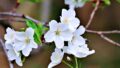
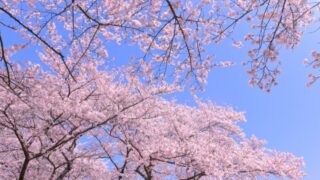
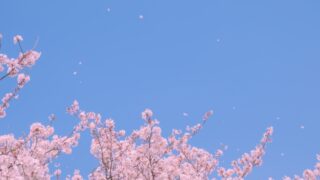
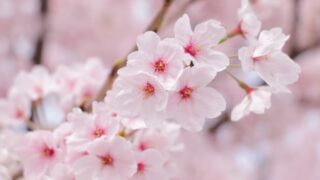
下の写真がソメイヨシノです。花びらが5枚あります。
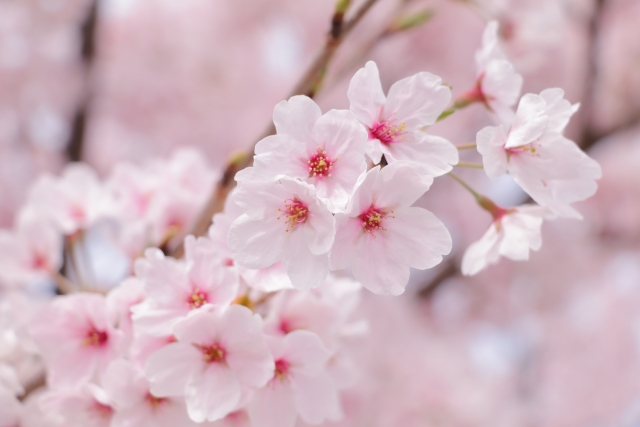
下の写真は八重桜です。花びらの数が多いです。

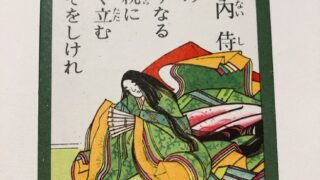
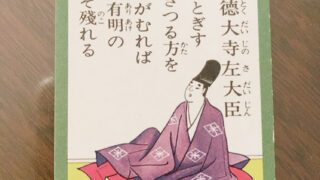
いにしへの 奈良の都の 八重桜 けふ九重に にほひぬるかな
伊勢大輔 (98?-106?)
百人一首 六十一番
詞花和歌集 春
いせのたいふ
ひゃくにんいっしゅ
しかわかしゅう はる
かな
いにしへの ならのみやこの やえざくら けふここのへに にほひぬるかな
今の読み方は、下のようになります。
いにしえの ならのみやこの やえざくら きょうここのえに においぬるかな
言葉の意味
| いにしへの | 古い世の | old days |
| 奈良の都の | 奈良の都の | The capital of Nara |
| 八重桜 | 八重桜 | double-flowered cherry |
| けふ | 今日 | today |
| 九重に | 宮廷の中に | In the court |
| にほひぬるかな | 美しく咲いています | Blooming beautifully |
九重:昔の中国の城は九つの門で囲まれていました。そこから、九重は宮廷の中、宮中を表す言葉になりました。九重という言葉は宮中を表すメタファーで、当時の日本の宮廷に九つの門があったかどうかはわかりません。
にほひ:今の言葉では「匂う / smell」ですが、花が美しく咲くという意味で使われています。
ここのえ: In olden times, Chinese castles were surrounded by nine gates. From that, ここのえ became a word to describe the inside of a court or palace. The word “ここのえ” is a metaphor for the court, and we do not know if there were nine gates in the Japanese court at that time.
にほひ: In today’s language, the word is “匂い / smell,” but it is used to mean that a flower blooms beautifully in old days.
現代語訳
いにしえの都の奈良から届いた八重桜が、今、九重の宮中に美しく咲いています。
Yaezakura (double-flowered cherry trees) delivered from Nara, the ancient capital of Japan, are now blooming beautifully in our Nine-fold Palace court.
記録に残っている、日本の一番古い都(首都)は奈良県にあります。この歌が詠まれた時代の都は京都です。
奈良県の桜は吉野が有名です。この町の山に3万本の桜の木があります。吉野の里から届いた桜だったかもしれませんね。
The oldest recorded capital (capital city) of Japan is located in Nara Prefecture. The capital of the period when this poem was composed was Kyoto.
Yoshino is the most famous cherry tree in Nara Prefecture. There are 30,000 cherry trees in the mountains of this town. The cherry trees may have arrived from the village of Yoshino.
奈良から届いた桜を宮中で受け取った時に、歌を詠むように言われて作った歌です。
この歌を詠んだ伊勢大輔も、以前に紹介した紫式部、清少納言と同じ時代の女性です。当時の女性は政治に関わることはできませんでしたが、現代にまで残る素晴らしい作品、歌を数多く残しました。
This is a poem composed upon receiving cherry blossoms delivered from Nara at court and being asked to compose a poem.
Ise no Taihu, who composed this poem, was also a woman of the same period as Murasaki Shikibu and Sei Shonagon, whom I have already mentioned. Although women were not allowed to be involved in politics at that time, they left behind many wonderful works and poems that have survived to the present day.
| 記録に残っている~ | きろくにのこっている | in all of recorded history |
| 時代 | じだい | times, period, era |
| 作品を残す | さくひんをのこす | leave works |
今日もここまで読んでくれてありがとうございました。みなさんの春を楽しんでくださいね。
令和六年四月十六日