





あはれとも言ふべき人は思ほえで身のいたづらになりぬべきかな
謙徳公(924-972)
百人一首 四十五番 恋
「拾遺集」
かな
あはれとも いふべきひとは おもほえで みのいたづらに なりぬべきかな
「あはれ」は「あわれ」、「おもほえで」は「おもおえで」と読みます。
言葉の意味
あはれとも:「かわいそうに」と ”How pitiful,”
いふべきひとは:言ってくれそうな人は People who would likely say [that to me]
思ほえで:思いつきません Do not come to mind
みのいたづらになりぬべきかな:死んでしまうのだろう I shall surely end up dying in vain.
現代語訳
「かわいそうに」と言ってくれそうな人など思いつきません。このまま私は死んでしまうのでしょう。
I cannot think of anyone who would likely say “How pitiful” to me. I suppose I will just end up dying in vain like this.
失恋の歌ですが、年を取ると自分のことを大事に思ってくれる人は少なくなってきます。「少しくらい誰かに大事にされたい」と思うことはあるのではないでしょうか。さびしい気持ちを抱えながら「このまま死んでしまうのかな」と思うこともあるでしょう。
This is a poem about heartbreak, but as we get older, the number of people who truly care about us tends to decrease. Don’t we all sometimes think, “I want to be cared for by someone, even just a little”? Carryinga sense of loneliness, you might occasionally feel, “I wonder if I’ll just die like this.”
作者の謙徳公は、摂政という天皇に代わって政治を行う地位にまで出世した人です。地位が高いだけではなく、非常にモテた男性であったようです。このような人でもさびしさからは逃れられないのですね。
The author, Kentoku-ko, rose to the position of Regent (Sessho), a role where he governed on behalf of the Emperor. Not only did he hold a high status, but he was also apparently a very popular man. Even a person like him, it seems, could not escape loneliness.
ただ、この歌には「この私がこんなに落ち込んでいる。かまってほしい」というアピールだという解釈もあります。「誰かにかまってほしい」という気持ちは誰でも持っていますが、現代の人は隠すことが多いですね。でも、これだけ堂々と歌にすると気持ちがすっきりするのかもしれません。自分の中の隠したくなる気持ちと、それを他の人に伝えることについて少し考えさせられました。
However, there is also an interpretation that this poem is an appeal, saying, “That I, of all people, am feeling this down. I want someone to pay attention to me.” The desire for someone to “pay attention” is something everyone has, but modern Japanese people often hide it. Yet, perhaps expressing it so boldly in a poem makes one feel refreshed. It made me think a little about the feelings we want to hide within ourselves and the act of sharing them with others.
言葉
構う かまう
この言葉には、いろいろな使い方があります。
- かまって。 Pay attention to me. Look at me. Talk to me.
- かまってほしい。 I want you to pay attention to me.
- 子どもがかまってほしがっている。 The child wants my attention.
- 子どもはかまってあげないといけない。 You have to pay attention to your children.
- かまってちゃん
この言葉は、最近使われるようになりました。いつも自分を見てほしい、自分に興味を持っていてほしいと他の人に求めている人のことです。英語では “clingy” とか、“attention seaker” と訳されます。
This term has come into use recently. It refers to a person who constantly seeks attention or interest from others.
また、「かまう」は否定文で使うとニュアンスが変わります。
Also, the nuance of “kamau” changes when used in negative sentences.
- 私にかまわないで
強いイントネーションで使うと “Don’t bother me.” です。 - おかまいなく
相手の親切な行動をていねいに断る時に使います。下のような状況のときは「私のことは気にしないでいいですよ」というような意味になります。
This is used to politely decline someone’s kind offer. In situations like below, it means “Please don’t worry about me.”
- 誰かの家に行って、その家の人が飲み物を用意しようとしたとき
私のことはおかまいなく。:飲み物は出さなくてもいいですよ。 - 誰かの家の玄関で、中に入ってくださいと言われたとき
こちらでだいじょうぶです。おかまいなく。:中に入らなくてもだいじょうぶです。
- 誰かの家に行って、その家の人が飲み物を用意しようとしたとき
ただ、目上の人には「おかまいなく」より「お気になさらないでください」の方がいいです。
同じ言葉でも、使う状況でニュアンスがだいぶ変わりますね。
The nuance changes quite a bit depending on the situation, even for the same word.
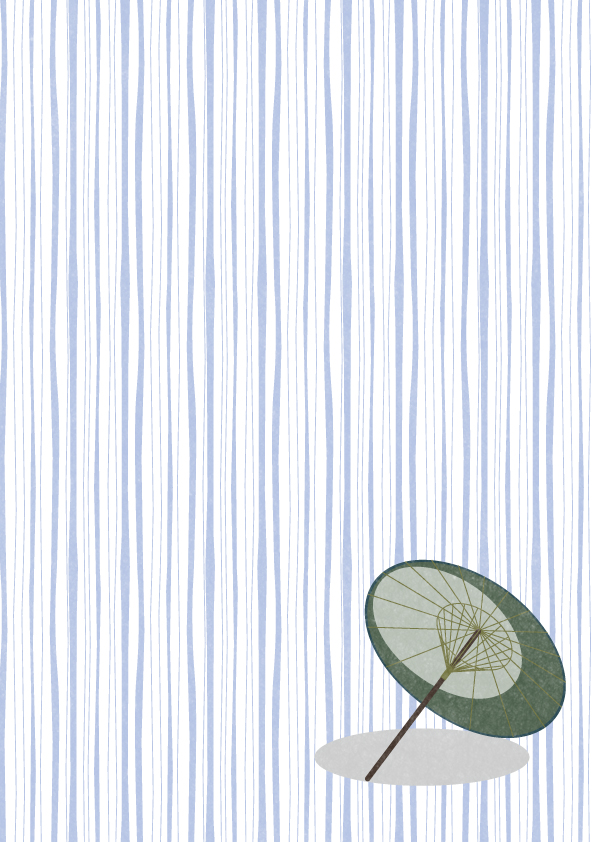
このページのサムネイル画像は、SHIEDAさんという方のイラストです。素材サイトのイラストACからダウンロードしました。「かわいそうと言ってくれる人もいない。このまま私は死んでしまうのだろう」というじめっとした気持ちを雨の絵で表しています。
The thumbnail image for this page is an illustration by SHIEDA. I downloaded it from the stock site Illustration AC. It represents the “gloomy” feeling of “There is no one to say I am pitiful; I will likely die like this” through a picture of rain.
今日もここまで読んでくれてありがとうございました。
令和八年四月八日